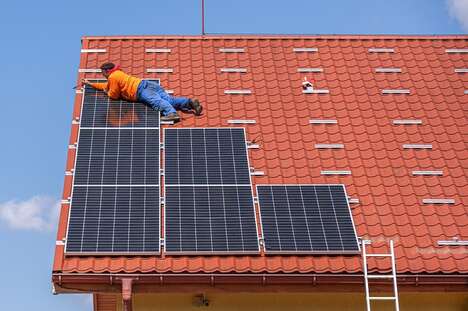
Polarized light glinting off solar panels acts as an attractant to aquatic insects that see polarized light as a water indicator. Solar arrays are lethal to aquatic insects because the insects, mesmerized by the polarized light, fly over the solar panel surface until they die of exhaustion. Insects are important because they are food for fish and other species.
Knowing that solar arrays are lethal to aquatic insects provides more reason to locate solar projects in cities and developed areas rather than disrupt the pristine habitat of deserts and other fragile eco-systems.
Photos: Caddis Fly Image| Mayflies on Water| Bruce Robertson
What's Driving This Trend
- Locating Solar Projects in Cities
- The lethal effect of solar arrays on aquatic insects highlights the need to prioritize locating solar projects in cities and developed areas, rather than fragile ecosystems.
- Eco-friendly Solar Panel Design
- The discovery of lethality in solar arrays to aquatic insects opens up opportunities for developing eco-friendly solar panel designs that minimize harm to the environment.
- Alternative Sources of Fish Food
- As insects serve as a vital food source for fish and other species, finding alternative sources of fish food becomes a disruptive innovation opportunity in response to the lethal effects of solar arrays.
Who This Affects Most
- Renewable Energy
- The renewable energy industry can explore strategies to minimize the negative impact of solar arrays on aquatic insects while maximizing energy production.
- Green Technology
- Developing eco-friendly solar panel designs falls within the scope of the green technology industry, where innovative solutions can be created to mitigate the unintended harm caused by current designs.
- Aquaculture
- The aquaculture industry can leverage the opportunity to develop sustainable and alternative sources of fish food to compensate for the decline in insect populations caused by solar arrays.