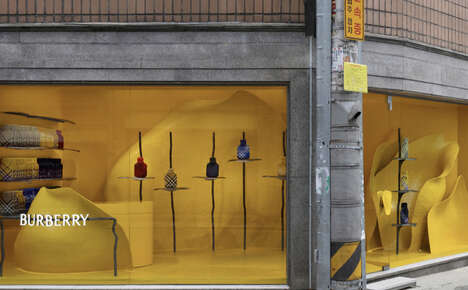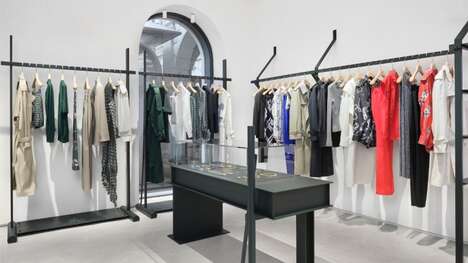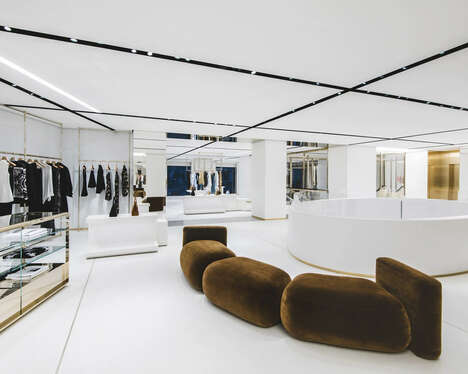
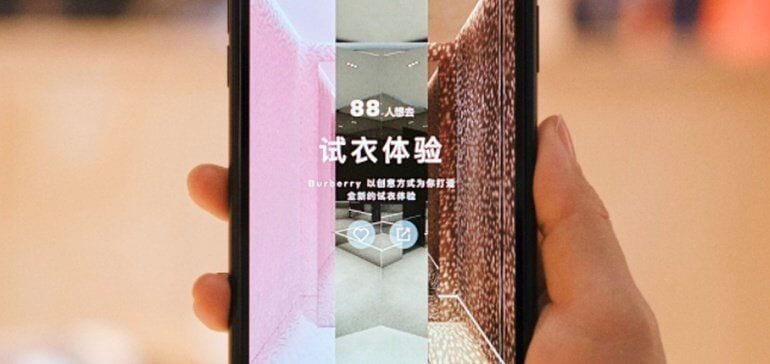
Burberry launched its first-ever social retail location in China, which will be a 5,800 square foot facility. The social retail store was entirely designed for consumers to use social media to complement their in-store retail experience. The company created interactive content that customers can access through the WeChat platform, including tours, appointment bookings, reservations, and more. Customers will also receive a WeChat character, which will be upgraded as they have more store interactions.
In order to create the new store, Burberry collaborated with Tencent. Marco Gobbetti, the Burberry CEO, released a statement about the new location, "It marks a shift in how we engage with our customers and we can't wait to share this innovative experience with the world."
Image Credit: Burberry
What's Driving This Trend
- Social Media Integration
- The trend of integrating social media into retail stores presents opportunities for brands to enhance the in-store experience and engage with customers on a deeper level.
- Interactive Content
- The trend of creating interactive content in retail stores opens up possibilities for brands to provide engaging and personalized experiences for customers.
- Customer Character Development
- The trend of developing customer characters within retail stores allows brands to build loyalty and incentivize repeat interactions with the store.
Who This Affects Most
- Fashion Retail
- The fashion retail industry can embrace social media integration and interactive content to revolutionize the in-store shopping experience.
- Technology
- The technology industry can capitalize on the need for innovative solutions to seamlessly integrate social media platforms into retail spaces.
- Marketing and Advertising
- The marketing and advertising industry can explore new strategies to utilize customer character development within retail environments to drive brand engagement and loyalty.