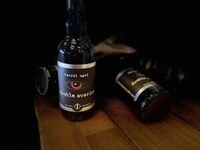
If you thought your favorite craft brewery made a strong beer, then you need to take a seat and sip on a bottle of Snake Venom from Brewmeister. This beer clocks in at an astounding 67.5 percent alcohol by volume (ABV). For those who don’t drink beer, a “strong” brew is usually one with an ABV over seven. Brewmeister is the same brewery behind Armageddon, a beer with a 65 percent ABV.
Snake Venom from Brewmeister is made using peat-smoked malt, acid malt and chocolate malt and two types of yeast: ale yeast and champagne yeast. Snake Venom is then freeze concentrated, a process that involves freezing the beer repeatedly to take out the water and increase the alcohol content. Snake Venom is on sale now for $80.87 (50 GBP).
Key Themes Behind This Trend
- Extreme Alcohol Content
- The trend of extremely high alcohol content in beverages presents opportunities for disruptive innovations in the alcohol industry.
- Craft Brewing
- Craft breweries can explore disruptive innovation opportunities by pushing the limits of alcohol content in their offerings.
- Freeze Concentration
- The technique of freeze concentration opens up possibilities for disruptive innovations in alcohol production and other industries.
Where This Applies
- Beverage Industry
- The trend of extremely alcoholic microbrews can lead to disruptive innovation opportunities in the beverage industry, such as creating unique high-alcohol products.
- Alcohol Industry
- In the alcohol industry, there is an opportunity to embrace the trend of extreme alcohol content and explore disruptive innovations that cater to consumers seeking high ABV beverages.
- Food Science and Technology
- The innovative technique of freeze concentration in the production of Snake Venom beer opens up possibilities for disruptive innovations in food science and technology, such as creating concentrated and high-alcohol food or beverage products.