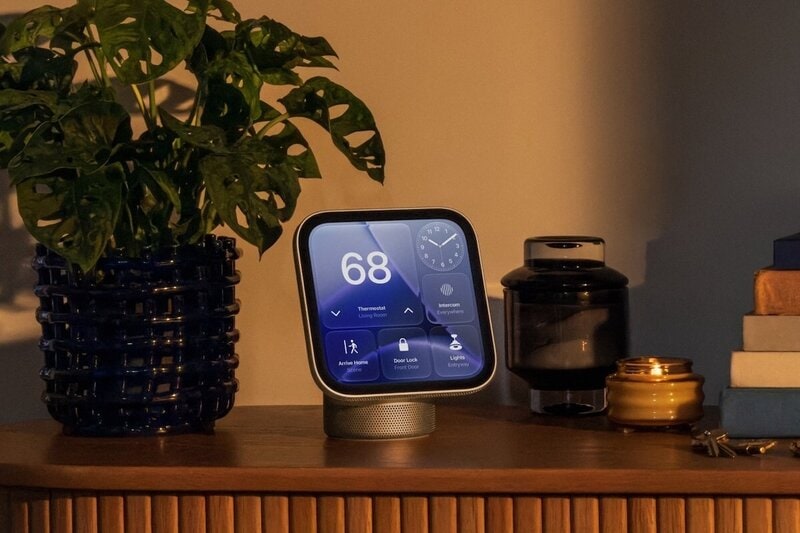
Apple is entering the smart home display market with 'HomeView,' a $299 hub that brings device controls, FaceTime, video, music, and photo viewing to a single screen for households. It suits kitchens, so someone cooking can open a recipe, check a calendar appointment, or start a call without grabbing an iPhone.
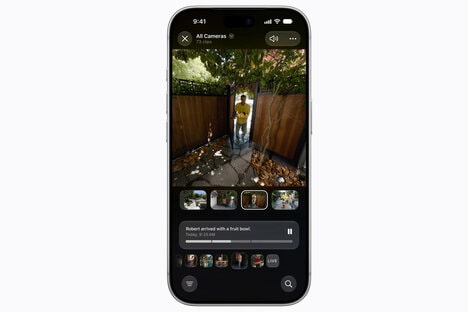
The hub comes in countertop and wall versions, with a single front FaceTime camera and speakers and microphones in the base. Siri can identify up to six people, then switch to that person's Messages or Reminders in the built-in apps; HomeView also chimes with doorbell alerts and can pull up camera feeds.
Pre-orders start now, with sales beginning November 13, and finishes include silver and rose pink. At $299, the person-aware screen widens Apple's appeal beyond a speaker and puts it in direct competition with Amazon Echo Show and Google Nest Hub by reducing how often a household needs to reach for a phone.
Image Credit: Apple
What's Driving This Trend
- Person-aware Interfaces
- Voice-identified profiles create room for shared devices that personalize messages, reminders, and controls without requiring individual logins or phones.
- Kitchen-centric Computing
- Smart displays in cooking spaces turn recipes, calls, calendars, and entertainment into ambient household utilities embedded in daily routines.
- Unified Home Dashboards
- Consolidated screens for security feeds, doorbell alerts, media, and device controls reduce app fragmentation across connected homes.
Who This Affects Most
- Smart Home Technology
- Personalized display hubs expand the category from voice speakers into interactive control centers for multi-person households.
- Consumer Electronics
- Countertop and wall-mounted home screens create new hardware formats positioned between smartphones, tablets, and smart speakers.
- Home Security
- Integrated camera feeds and doorbell notifications make security monitoring more immediate through always-available shared household displays.