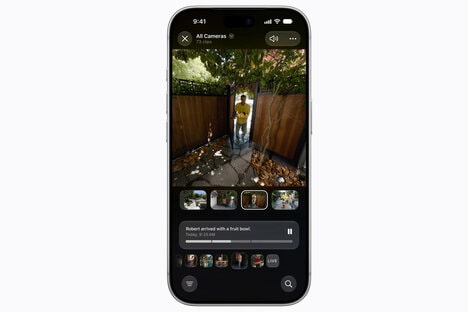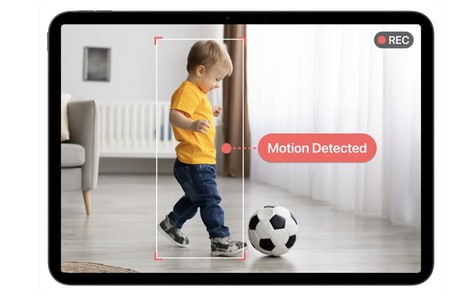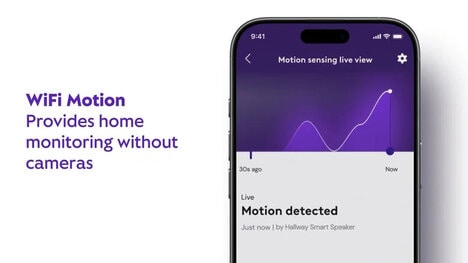
Apple is still preparing its own home camera for next year, using AI, or artificial intelligence, to assess the home instead of saving video. Built for the home, the device analyzes its surroundings to work out what room someone is in, giving households presence awareness without a stored feed.
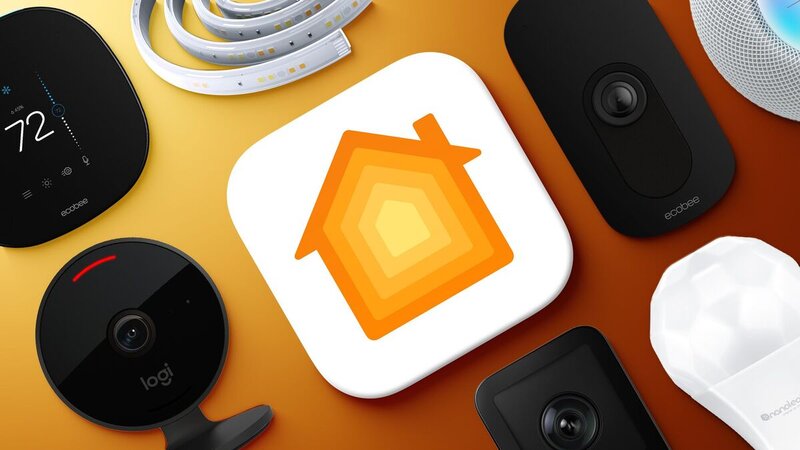
It also remains separate from the LG-developed accessories linked to Apple's wider smart-home effort. That split makes this product feel less like a conventional security setup and more like a room-sensing layer that could track movement without creating a clip library.
Using it would likely feel closer to ambient awareness than active surveillance, with the camera reading presence in the background rather than acting as a recorder. That leans into simplicity by flagging location instead of asking someone to scrub through footage. Apple's separate device is still expected next year.
Image Credit: MacRumors
Why This Trend Is Growing
- Video-free Sensing
- AI-based perception systems that interpret rooms without saving footage create room for privacy-first home monitoring models that avoid conventional surveillance concerns.
- Ambient Presence Awareness
- Background detection that recognizes where people are in a home supports new smart-home services built around contextual automation rather than manual device control.
- Privacy-first Smart Homes
- Household devices designed around local intelligence and minimized data storage signal demand for connected products that balance convenience with stronger personal data boundaries.
Industries Being Reshaped
- Smart Home Technology
- Room-sensing hardware expands the category beyond security cameras, enabling connected ecosystems that respond to occupancy, routines, and household context.
- Consumer Electronics
- AI-enabled home devices give electronics brands a pathway to differentiate through invisible assistance, simplified interfaces, and reduced dependence on cloud-stored media.
- Home Security
- Non-recording presence detection introduces alternative security experiences centered on awareness and anomaly recognition rather than continuous video capture.