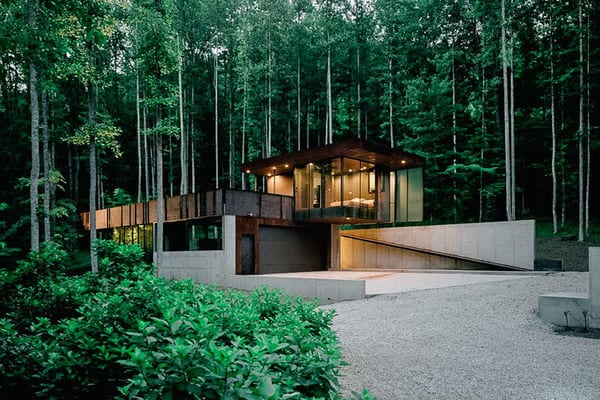
This small house feature is less damaging to the environment than residences that surround it.
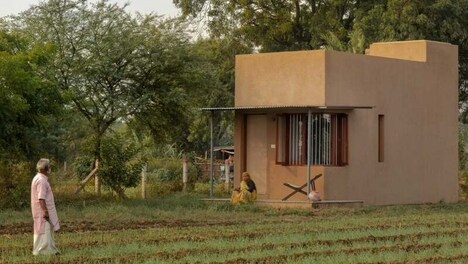
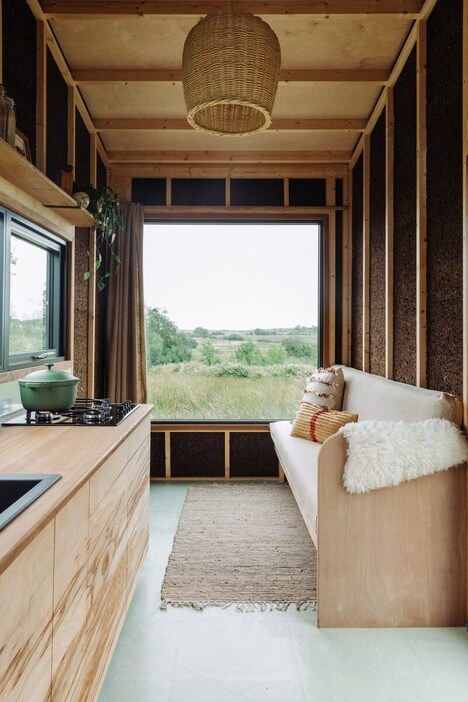
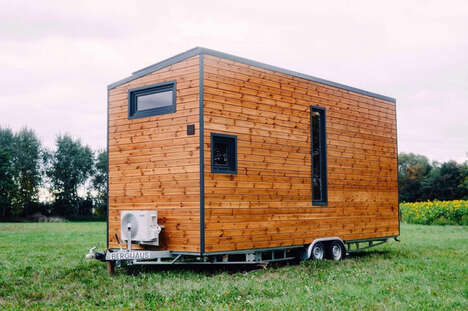
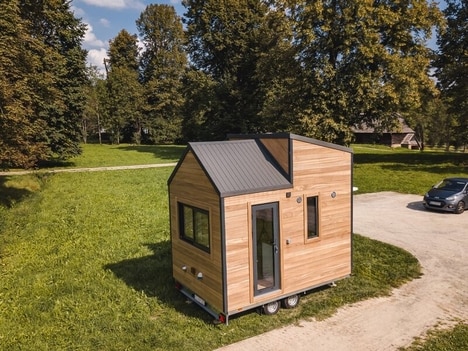
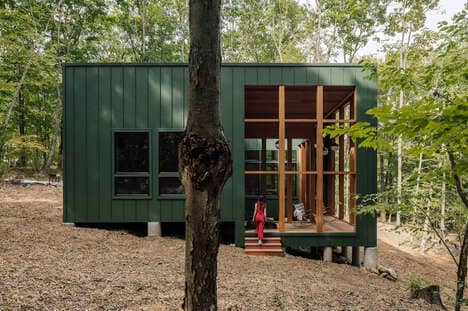
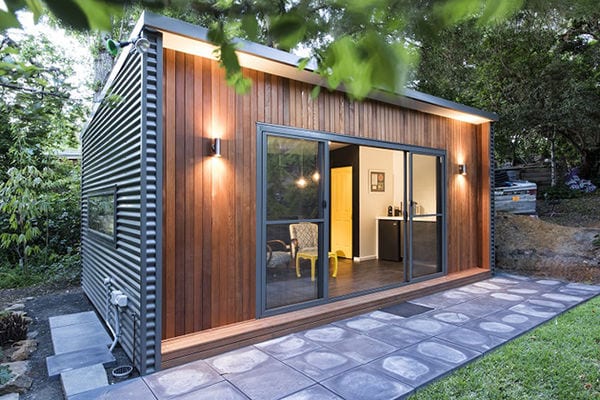
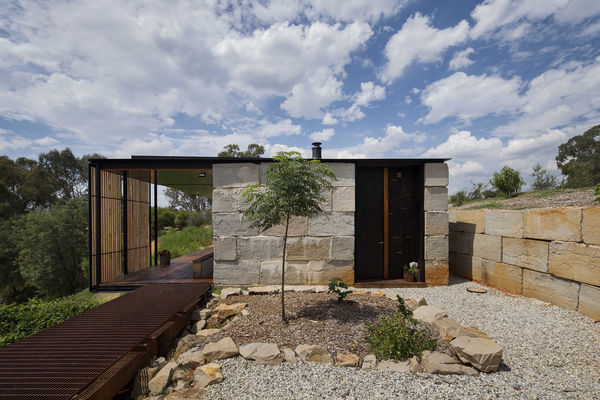
The team at Strachan Group Architects developed the 'Bach Studio 19' as a project that was a self-built collaboration with a group of architecture students. Located in Onemana, New Zealand, the home is very eco-conscious -- emphasizing that it only has a 100 square-meter total footprint. This small carbon footprint demonstrates the value these architects hold for being environmentally aware and respectful of their surroundings.
With a small budget, this team of architects used innovative solutions to create a summer home for a family of four. The small house is eco-friendly and maintains spatial efficiency with its carefully chosen furniture and storage solutions.
Key Themes Behind This Trend
- Eco-conscious Dwelling
- There is an emerging trend in the architectural industry to create eco-friendly homes with small carbon footprints.
- Spatial Efficiency Design
- Minimalism and compact living are becoming popular design concepts in creating more efficient use of living spaces.
- Collaborative Self-builds
- Collaborations with students or novice builders are a cost-effective and innovative solution for self-building projects.
Where This Applies
- Architecture
- The architectural industry has an opportunity to innovate designs that prioritize eco-friendliness and spatial efficiency.
- Furniture Design
- Furniture designers have the opportunity to create innovative solutions that maximize space and maintain environmental consciousness.
- DIY/ Self-building Industry
- The self-building industry can take advantage of collaborations with students or novice builders to create more cost-effective and innovative solutions.