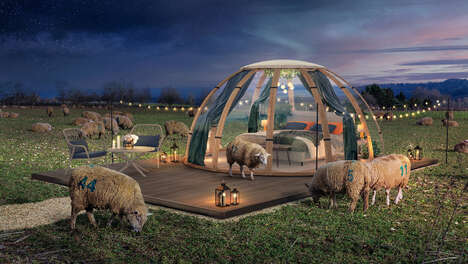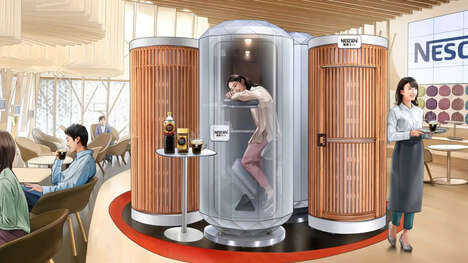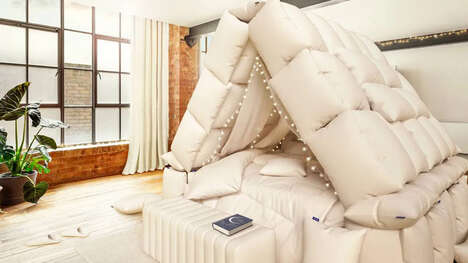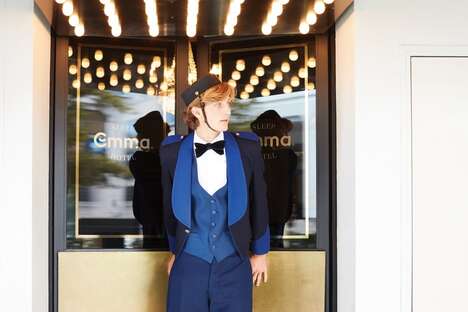
Many of the physical objects that are designed to support this activity are reserved for private spaces, meaning that sleep in public is often discouraged. Despite this, insomnia and other sleep-related disorders plague millions of people around the world. In response to sleep deprivation in Londoners, Sto Werkstatt, HASSELL and Draisci Studio came together to explore 'Hypnos: The Architecture of Sleep' for Clerkenwell Design Week 2015.
The 'Sleeperie' is a public space in London that's now lined with hammocks so that sleep-deprived adults can catch some shut-eye for 10 minutes.
In order to create the most restful atmosphere possible, the use of technology is banned in the space and there are a variety of stimuli to help ease people into sleep such as soothing stories and calming lighting.
What Makes This Trend Stand Out
- Public Sleep Spaces
- Creating designated areas for public napping helps combat sleep deprivation and provides opportunities for relaxation in bustling urban environments.
- Sleep Technology Ban
- Prohibiting the use of technology in sleep spaces fosters a distraction-free environment and encourages people to disconnect for better sleep quality.
- Sensory Sleep Experiences
- Incorporating stimulating elements like soothing stories and calming lighting enhances the sleep environment and promotes a restful sleep experience.
Sectors Adopting This
- Hospitality
- Hotels and hostels can implement designated public sleep spaces to attract tired travelers and provide a unique selling point for their accommodations.
- Wellness
- Wellness centers and spas can incorporate sensory sleep experiences to offer relaxation services that promote better sleep and overall well-being.
- Smart Home
- Smart home technology companies can develop sleep-friendly features, such as automated lighting and audio systems, to create optimal sleep environments in residential spaces.