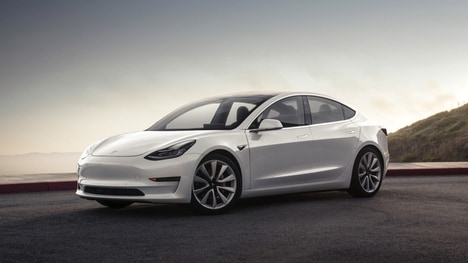
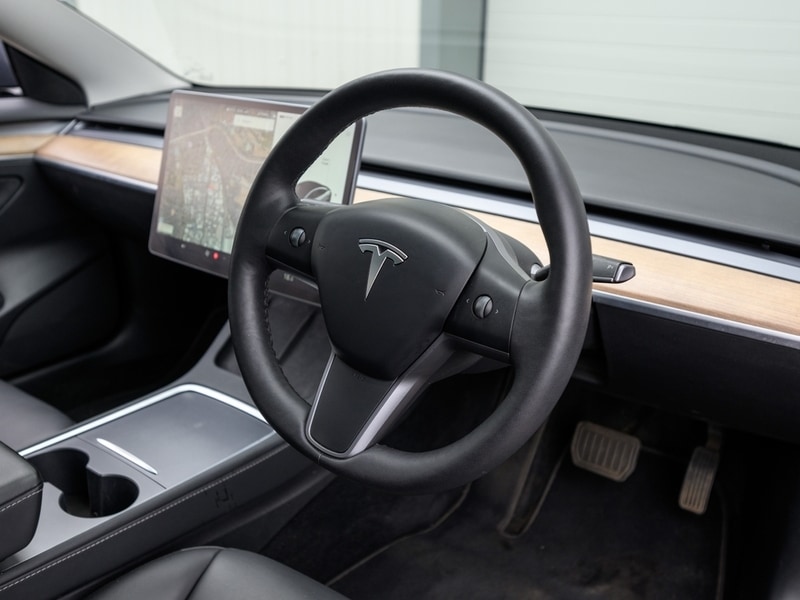
Tesla introduced a limited run of "Signature" Model S and Model X vehicles, offering about 250 invite-only Model S units and an undisclosed number of Model Xs. The packages start at $159,420 and include free Supercharging and Full Self-Driving, featuring gold trim and a garnet red paint option.
Screenshots and social posts shared the offer after Tesla announced it would retire the S and X to repurpose factory capacity; the launch packaged premium touches such as gold carbon-ceramic brakes and exclusive badging. The promotion nods to early Model S heritage while bundling software and charging perks.
For buyers the run creates a collectible send-off and a convenience upgrade via included charging and FSD access, while signaling Tesla’s pivot toward autonomous vehicles and robotics. The move reframes outgoing flagship models as limited memorabilia tied to a broader industry shift toward autonomy.
Image Credit: Harry Howitt / Shutterstock.com
Key Themes Behind This Trend
- Limited-edition Collectible Vehicles
- Scarce, invite-only runs of retiring models create premium secondary markets and brand-led memorabilia ecosystems around physical products.
- Software-bundled Automotive Packages
- Combining lifetime software features and charging benefits with vehicle purchases shifts value from hardware to ongoing digital services tied to a car's lifecycle.
- Heritage-driven Product Send-offs
- Framing model retirements as heritage events repositions end-of-line inventory as narrative-rich experiences that blend nostalgia with exclusivity.
Where This Applies
- Automotive Manufacturing
- Legacy model phase-outs accompanied by premium limited editions could reorganize factory capacity planning around episodic, high-margin runs rather than steady-volume models.
- Luxury Goods and Collectibles
- Automotive-branded collectibles and authenticated limited runs have potential to intersect with luxury resale platforms and certified provenance services.
- Autonomous Mobility Services
- Bundling Full Self-Driving access with vehicle sales hints at new revenue models where autonomous software subscriptions define fleet utilization and service tiers.