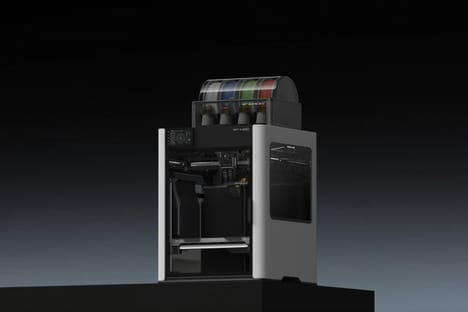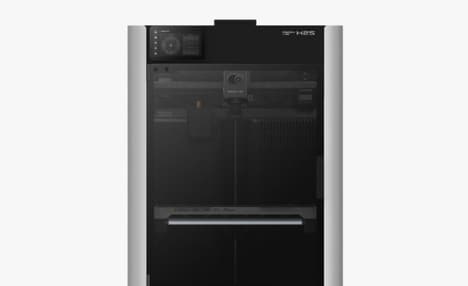
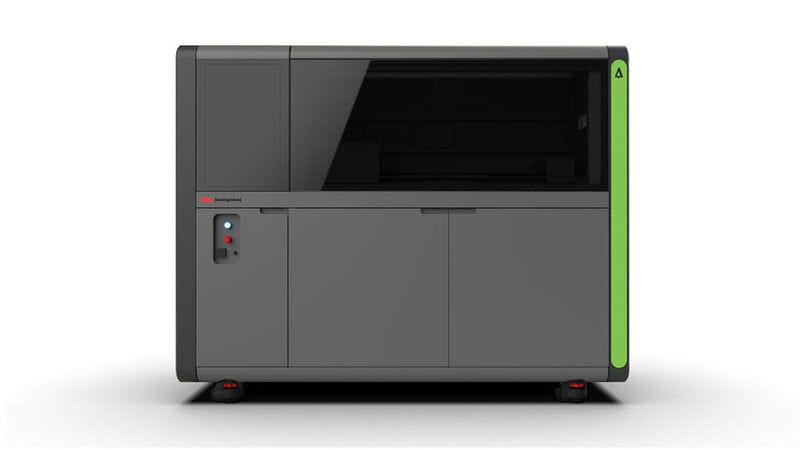
Following its acquisition of 'Forust,' Desktop Metal announced the release of the 'Shop System Forust Edition' consumer-grade 3D printer for professionals. This is one of the first 3D wood printers to reach the broad consumer market, though it is still priced and marketed toward professionals over hobbyists.
The Forust Edition 3D printer leverages wood binder jetting that uses upcycled sawdust as its ammunition. The company sources its sawdust from excess dust created in the wood milling industry, which provides more than enough sustainable supply for 3D printing purposes.
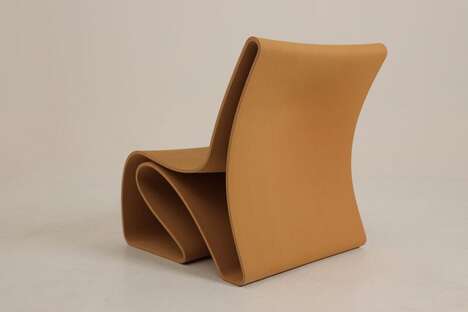
Accompanying the Forust Edition 3D printer is the 'Forust Binder,' which can bind recovered wood powder together to create finished, smooth wood, as well as customize wood grain patterns to meet consumer desires. The end product created by the Forust Edition 3D printer functions almost identically to whole-cut wood, meaning it can be sanded, sawed, nailed, screwed, furnished, and more.
Image Credit: Desktop Metal
What's Driving This Trend
- Consumer-grade 3D Wood Printers
- The trend of consumer-grade 3D wood printers is disrupting the custom furniture and home decor industry, providing eco-friendly and customizable options.
- Sustainable Material Sourcing
- The trend of using upcycled materials, like sawdust, in 3D printing is disrupting the manufacturing industry by creating opportunities for sustainable material sourcing and waste reduction.
- Customizable Wood Grain Patterns
- The trend of customizable wood grain patterns is disrupting the architecture and home renovation industry by allowing for unique and personalized designs for interior and exterior wood surfaces.
Who This Affects Most
- Manufacturing
- The manufacturing industry can benefit from using upcycled sawdust in 3D printing to reduce waste and lower production costs.
- Furniture
- The furniture industry can benefit from consumer-grade 3D wood printers by providing customizable, eco-friendly options for customers looking for unique designs and sustainable materials.
- Architecture
- The architecture industry can benefit from customizable wood grain patterns in 3D printing by creating unique and personalized designs for interior and exterior wood surfaces, including doors, cabinets, and walls.