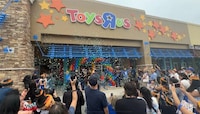
Shop-in-shop toy destinations are expanding across Canada as Staples partners with Toys"R"Us Canada and Parties"R"Us Canada to introduce dedicated shopping areas within existing stores. The arrangement combines toys, party supplies, and seasonal merchandise in one location, offering families greater convenience without requiring separate retail visits.
The first location will open in Richmond Hill, Ontario, on November 14, 2026, with expansion planned across nearly 300 Staples Canada stores throughout 2027. Each space will feature selected toy collections, exclusive merchandise, balloons, and licensed celebration products. The partnership also includes online shopping through Staples' existing digital platform.
For Staples, the collaboration creates opportunities to attract family shoppers and diversify its product offerings. Toys"R"Us Canada gains access to an established national retail network, while the new Parties"R"Us concept introduces additional opportunities for seasonal purchases and celebration-related sales.
Image Credit: Staples Canada ULC
What's Driving This Trend
- Shop-in-shop Retail
- Embedded branded destinations inside established stores create new paths for legacy retailers to monetize foot traffic and broaden customer occasions.
- Family Convenience Commerce
- Combining toys, party goods, and seasonal products in one trip reflects growing demand for bundled retail experiences that reduce shopper friction.
- Retail Network Expansion
- Partnership-based store rollouts enable niche brands to scale physical presence quickly without the cost and risk of standalone locations.
Who This Affects Most
- Toy Retail
- National host-store partnerships give toy sellers fresh access to family shoppers through curated assortments and exclusive in-store merchandise.
- Party Supplies
- Celebration-focused retail concepts gain year-round relevance when paired with seasonal merchandising, licensed products, and balloon services.
- Office Retail
- Traditional office supply chains can reinvent underused floor space by adding adjacent consumer categories that attract broader household traffic.