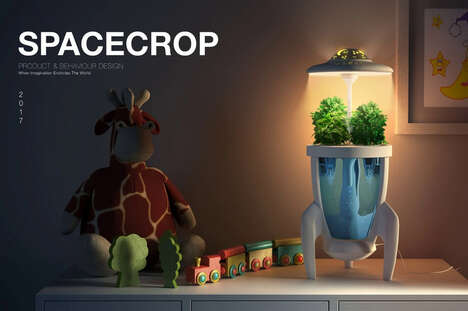

Self-sufficient space travel is "an important step toward figuring out our space station future." Scientists from Tokyo University of Science have conducted research and developed a way to convert human urine into ammonia fertilizer for growing food." The team was led by Norihiro Suzuki and all findings are published in the form of a letter in the New Journal of Chemistry.
The big idea rests on the fact that nitrogen-rich animal waste is one of the most successful, and eco-conscious, types of fertilizer. The research team has been working on producing ammonia (nitrogen + oxygen) derived from urine. "This process is of interest from the perspective of making a useful product," asserts Suzuki, "i.e., ammonia, from a waste product, i.e., urine, using common equipment at atmospheric pressure and room temperature."
Image Credit: Robert Kneschke/William W. Potter/Adobe Stock/Big Think
What's Driving This Trend
- Self-sufficient Space Travel
- Converting human waste into plant fertilizer for space travel can revolutionize the way we approach food production in zero-gravity environments.
- Eco-friendly Fertilizers
- Developing ammonia fertilizer from waste products can revolutionize the agriculture industry by reducing waste and promoting sustainability.
- Alternative Resource Utilization
- Efficiently utilizing waste products like human urine can transform industries and lead to sustainable innovations.
Who This Affects Most
- Space Exploration Industry
- By creating self-sufficient space travel, this technology can significantly reduce costs and increase efficiency in manned missions and space exploration.
- Agriculture Industry
- The use of ammonia fertilizer from waste products can lead to eco-friendly and sustainable agricultural practices, reducing environmental impact and promoting resource efficiency.
- Waste Management and Recycling Industry
- Efficiently utilizing waste products like human urine can create opportunities for innovative waste management and recycling practices.