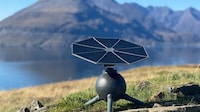
Self-powered solar tracking systems are helping renewable energy facilities operate without external electricity, with OMCO Solar upgrading its OMCO Star Tracker Control System. The technology uses solar-charged battery packs to power tracking equipment, allowing panels to be positioned for protection against severe weather even before a site receives AC electricity.
Designed for OMCO Origin trackers, the system features batteries capable of operating for multiple days without recharging. Its LoRa wireless technology provides communication across distances exceeding one mile, reducing the need for additional network controllers. Remote monitoring also allows operators to reposition panels for maintenance, snow removal, and cleaning.
For solar developers, eliminating external power connections can reduce cabling expenses, installation labor, and equipment requirements. The system also supports earlier commissioning and helps limit weather-related damage, potentially improving project reliability while lowering overall construction and operating costs.
Image Credit: OMCO Solar
What Makes This Trend Stand Out
- Self-powered Infrastructure
- Solar-charged control systems create new potential for energy assets that operate independently before grid connections are available.
- Wireless Site Automation
- Long-range LoRa communication reduces dependence on wired networks, opening possibilities for simpler monitoring and control across large renewable facilities.
- Resilient Solar Operations
- Battery-backed tracker positioning improves protection against storms, snow, and maintenance downtime through more adaptive equipment behavior.
Sectors Adopting This
- Renewable Energy
- Utility-scale solar developers gain cost and reliability advantages from trackers that reduce cabling, labor, and external power requirements.
- Energy Storage
- Integrated battery packs expand the role of storage from grid support to localized equipment autonomy within solar project infrastructure.
- Industrial Internet of Things
- Remote monitoring and wireless controls highlight a growing market for connected hardware that manages distributed energy assets with fewer network components.