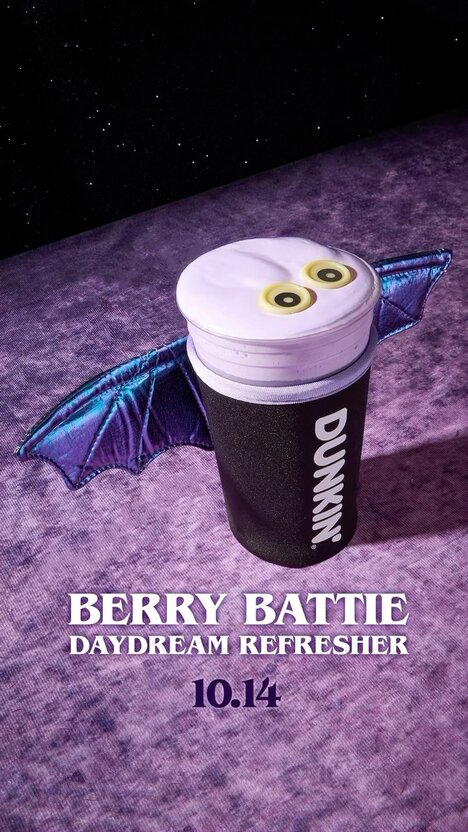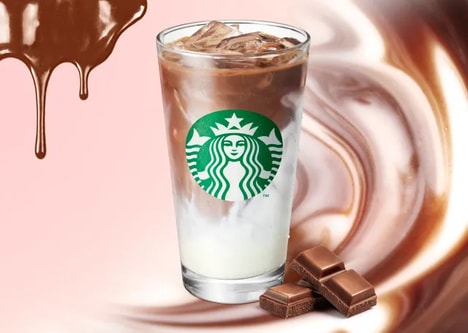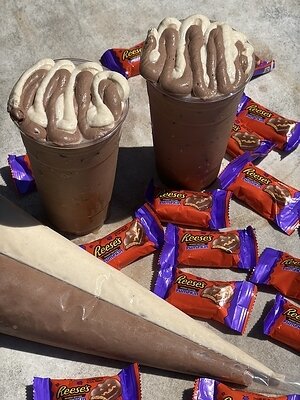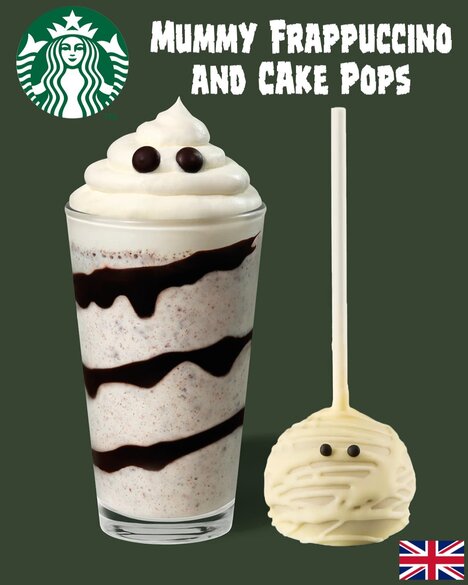
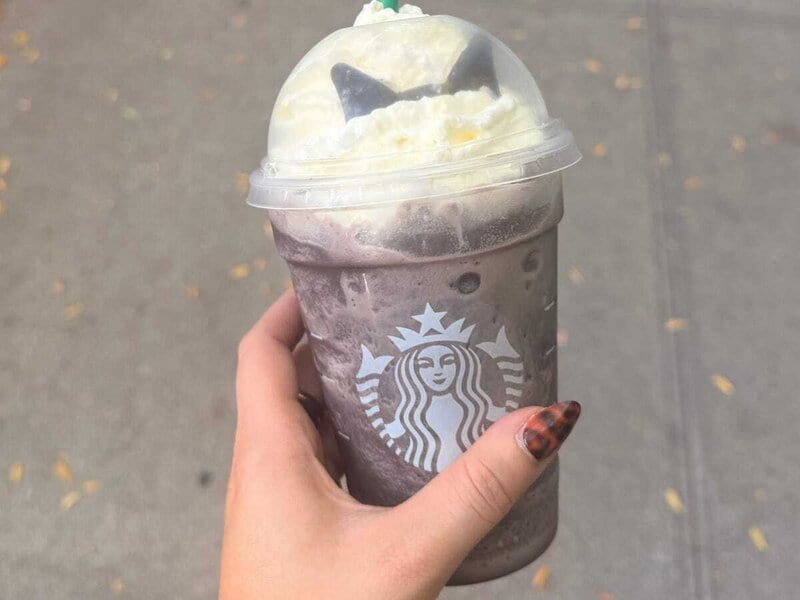
Starbucks is bringing a coffee-free Frappuccino to Halloween menus with the Black Cat Frappuccino, a limited-edition drink built on a chocolate cake-flavored crème base. The seasonal drink skips coffee entirely and leans into chocolate, with whipped cream and chocolate cat ears on top.
The drink arrives on October 22 and keeps the look tied to the holiday through its inky-black color. Because the base is crème rather than coffee, chocolate stays front and center instead of competing with espresso notes. The result gives Starbucks a themed Frappuccino that reads more like dessert than a candy-sweet novelty.
October 22 timing makes the Black Cat Frappuccino a short seasonal play rather than a permanent menu change. Drinks like this extend the Frappuccino line into holiday-specific territory, where appearance and flavor can do as much work as the brand name itself.
Image Credit: Megan Schaltegger
What Makes This Trend Stand Out
- Coffee-free Frappuccinos
- Dessert-led blended drinks create room for cafe brands to reach non-coffee consumers while preserving premium, treat-based occasions.
- Holiday-themed Beverages
- Limited seasonal drinks with bold visual cues can turn short menu windows into social sharing moments and repeat traffic drivers.
- Edible Drink Toppers
- Decorative toppings such as shaped chocolate pieces add collectible, character-driven value to beverages beyond flavor alone.
Sectors Adopting This
- Quick-service Restaurants
- Seasonal menu drops give large chains flexible ways to test novelty formats without committing to permanent operational changes.
- Confectionery
- Candy- and dessert-inspired beverage builds open new licensing and ingredient partnerships between sweet snack makers and drink brands.
- Foodservice Marketing
- Highly visual limited-time products provide brands with ready-made content hooks for holiday campaigns and creator-led promotion.