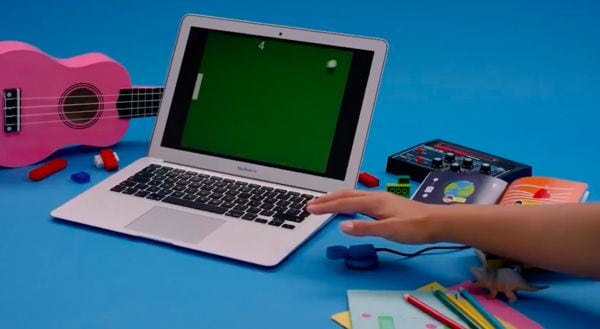
The Science Journal app is a powerful new tool for anyone who wants to conduct a study with scientific data. This smartphone application makes use of a phone's built-in features, including the light sensor, microphone and accelerometer.
Googled worked with Exploratorium on the project, making it possible to turn the average phone into a hands-on learning device for predicting, observing and making sense of data. Within the app, users are able to carry out a number of trials, experiments and projects at a time, in order to ensure their results are able to be tried multiple times and in a number of ways for the sake of accuracy.
For even more control, Science Journal app users can also collect data from other devices like an Arduino computer via Bluetooth for greater exploration.
Why This Trend Is Growing
- Scientific Research Apps
- The rise of scientific research apps presents opportunities for disruptive innovations in data collection and analysis methods.
- Hands-on Learning Devices
- The development of hands-on learning devices opens up possibilities for disruptive innovations in educational tools and methods.
- Data-driven Experimentation
- The adoption of data-driven experimentation allows for disruptive innovations in research methodologies and data analysis techniques.
Industries Being Reshaped
- Mobile App Development
- The mobile app development industry can leverage the rise of scientific research apps to create innovative tools for various scientific disciplines.
- Education Technology
- The education technology industry can exploit the growth of hands-on learning devices to introduce disruptive innovations in teaching and learning methods.
- Scientific Research
- The scientific research industry can embrace data-driven experimentation to drive disruptive innovations in data analysis, hypothesis testing, and experimental design.