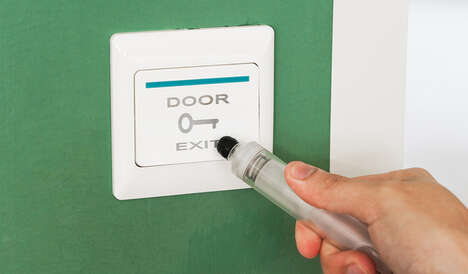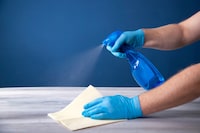
Businesses and public establishments have had to completely rethink operations in the face of the COVID-19 pandemic to keep patrons safe, which is seeing new solutions like this sanitizing surface coating be created to help stop the spread. The coating has been developed by Virginia Tech professor William Ducker in collaboration with professor and researcher at the University of Hong Kong's School of Public Health Leo Poon, and works by being applied to stainless steel or glass surfaces. The coating is then capable of inactivating viruses that could be on the surface by 99.9% in just one hour when compared to an uncoated alternative.
The research behind the sanitizing surface coating was published in the the ACS Materials & Interfaces scientific journal.
Image Credit: VTNews
What Makes This Trend Stand Out
- Surface Sanitizing Coatings
- Disruptive innovation opportunity: Develop advanced surface coatings with enhanced disinfection properties to protect against viruses and other pathogens.
- Rethinking Operations in the Pandemic
- Disruptive innovation opportunity: Create innovative solutions and protocols to help businesses and public establishments adapt to COVID-19 safety measures.
- Collaborative Research for Safety
- Disruptive innovation opportunity: Foster collaborations between academia and industry to develop cutting-edge solutions for public health crises like the COVID-19 pandemic.
Sectors Adopting This
- Healthcare
- Disruptive innovation opportunity: Integrate sanitizing surface coatings into healthcare settings to enhance infection control measures and reduce the risk of cross-contamination.
- Hospitality
- Disruptive innovation opportunity: Implement sanitizing surface coatings in hotels, restaurants, and other hospitality venues to provide a safer environment for guests and staff.
- Facility Management
- Disruptive innovation opportunity: Offer sanitizing surface coating services for commercial and public buildings to ensure enhanced cleanliness and reduce the spread of viruses.