

Mimic is expanding enterprise defenses with ‘Virtual Patching’, a runtime control that lets IT teams shield production systems while they test a vendor fix. The company says it targets the surge in AI-found flaws hitting enterprises, with discoveries now running at nearly seven times last year’s monthly average.
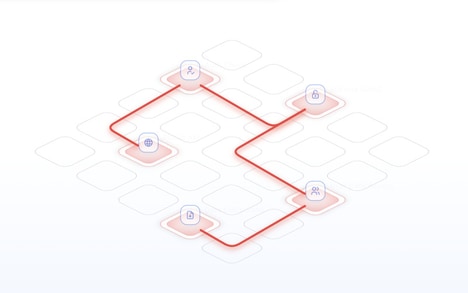
Rather than swapping in new binaries, the product uses runtime policies to stop exploit behavior while the original application, hash and signature stay unchanged. One virtual patch can cover a whole class of vulnerabilities, and Mimic can apply it in minutes without a restart or route it through approval steps.
Mimic shows how runtime policies can shield production systems during vendor fix testing, with patches that can apply in minutes without a restart and leave the original software untouched.
Image Credit: AI-generated
Why This Trend Is Growing
- Runtime Virtual Patching
- Temporary runtime controls create market space for security layers that protect live systems without altering application code or disrupting uptime.
- AI-driven Vulnerability Surges
- The rapid growth of machine-discovered flaws increases demand for adaptive defenses that can respond faster than traditional patch management cycles.
- Policy-based Exploit Blocking
- Behavior-focused security policies enable broader protection against vulnerability classes, shifting enterprise defense from static fixes toward dynamic runtime enforcement.
Industries Being Reshaped
- Cybersecurity
- Runtime shielding expands cybersecurity offerings with low-disruption protection models designed for enterprises facing accelerated exploit discovery.
- Enterprise Software
- Software vendors face emerging opportunities to embed virtual patch compatibility and runtime policy controls into application maintenance ecosystems.
- IT Operations
- Operations teams gain new infrastructure resilience options as restart-free protections reduce downtime pressure during testing, approvals, and vendor patch rollouts.