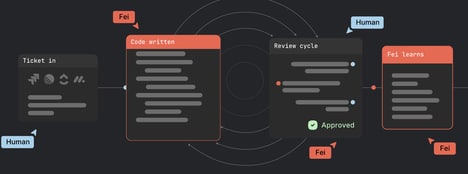

Runtime AI security systems are transforming how organizations manage identity and access by shifting from static rules to real-time, context-aware decision-making. Silverfort, in collaboration with Fabrix, is advancing this approach by using AI to evaluate each access request as it happens, analyzing factors like user behavior, intent and environment. This enables dynamic control over access for humans, machines and AI agents, addressing the growing complexity of modern digital ecosystems.
This approach helps enterprises reduce security risks while maintaining operational speed. It minimizes unauthorized access without disrupting workflows, which is critical as companies scale AI-driven operations. It also reduces reliance on manual reviews and outdated policies, improving efficiency for security teams. As digital environments become more complex, solutions from companies like Silverfort and Fabrix could become essential for protecting assets while supporting continued growth.
Image Credit: Silverfort
What's Driving This Trend
- Real-time Contextual Access
- Continuous assessment of access requests using contextual signals creates possibilities for replacing static policies with fluid, risk-aware controls that adapt to user behavior and environment.
- AI-driven Identity Orchestration
- Coordinating identities across humans, machines and AI agents through predictive models offers a route to unify fragmented authentication layers and reduce manual policy configuration.
- Adaptive Agent Authorization
- Granting and revoking permissions for autonomous agents based on intent and runtime telemetry introduces the capacity to manage machine-to-machine trust dynamically.
Who This Affects Most
- Enterprise Security
- Integration of runtime AI systems into corporate security stacks could shift detection and response from retrospective investigation to proactive, context-aware access governance.
- Cloud Infrastructure Providers
- Embedding real-time identity evaluation into cloud platforms would enable providers to offer fine-grained, per-request access controls that scale with multi-tenant environments.
- Industrial Control Systems
- Applying behavior-based authorization to operational technology networks presents an opportunity to protect legacy controllers and IoT devices without extensive protocol changes.