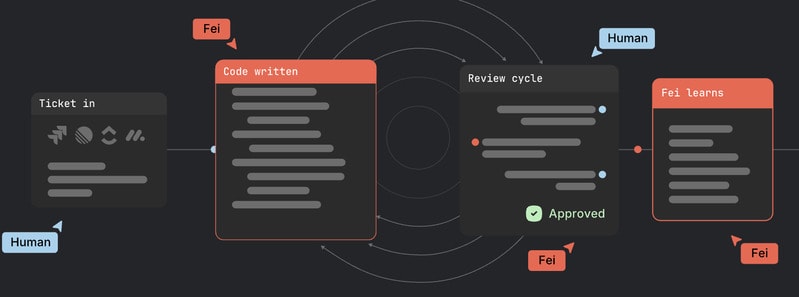
AutonomyAI is a generative AI platform designed to support teams building and shipping production software. Its core agent, Fei, operates directly within an existing codebase, following established components, coding standards, and review requirements.
Rather than generating isolated prototypes, the system focuses on producing code intended for real-world deployment. Fei can interpret inputs such as design files, project tickets, screenshots, or plain-language instructions and translate them into backend-ready implementations. From a business perspective, AutonomyAI addresses common development bottlenecks by reducing the time required to move from specification to implementation. The platform is positioned to help teams scale output without increasing headcount, while maintaining consistency, security, and code quality. By unifying design, product, and engineering workflows, AutonomyAI reflects a broader shift toward AI-assisted software development embedded directly into production environments.
Image Credit: AutonomyAI
What Makes This Trend Stand Out
- Production-ready Generative Agents
- Generation of production-ready code from natural-language specs and design artifacts enables engineering teams to deliver deployable features with reduced manual translation overhead.
- Embedded Codebase Automation
- Agents operating directly inside existing repositories and adhering to project standards create opportunities for consistent, context-aware automation that preserves code quality and compliance.
- Design-to-deployment Workflows
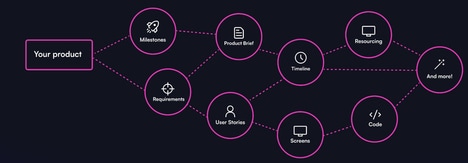
- Unifying design files, tickets, and screenshots into a continuous workflow points toward tighter alignment between product intent and shipped implementations, reducing friction between disciplines.
Sectors Adopting This
- Enterprise Software Development
- Large engineering organizations stand to benefit from tools that convert high-level requirements into production-ready implementations, allowing scale without proportional increases in developer headcount.
- Devops and Platform Engineering
- Platform teams can leverage in-repo AI agents to standardize deployments and enforce pipeline policies, improving consistency across microservices and environments.
- Software QA and Security
- Integrating AI that respects coding standards and review requirements creates avenues for embedding automated testing and security checks into generated code prior to release.