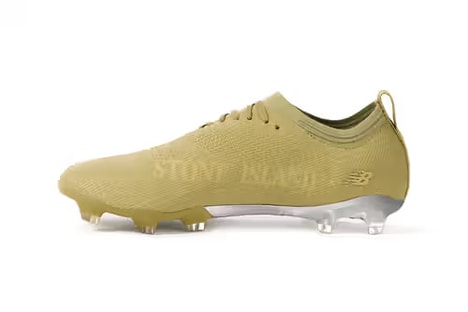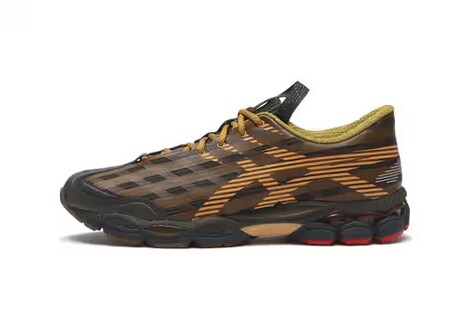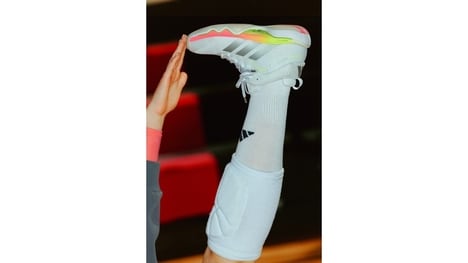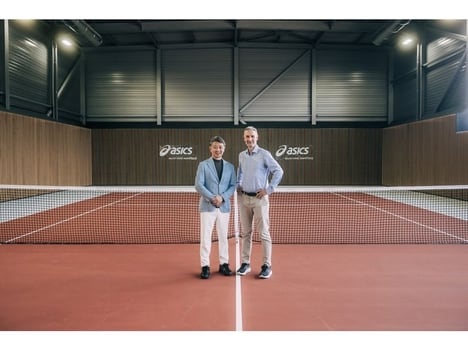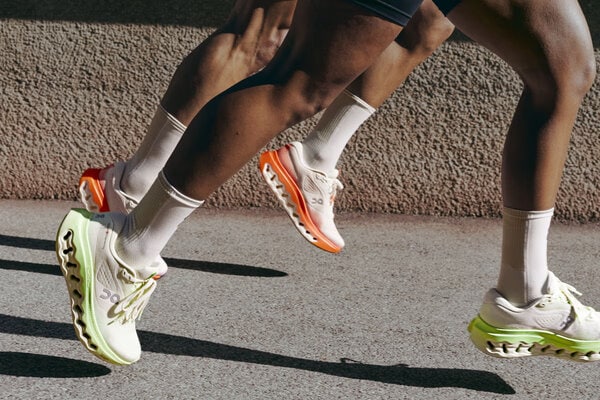

ASICS reintroduced its rugby boots in Europe after a six-year hiatus, with engineering designed specifically for the sport's demands. The footwear is positioned to support player movement and different playing styles, giving athletes a purpose-built option for on-field performance.
The relaunch focuses on rugby-specific design rather than a general-purpose training shoe, with ASICS emphasizing movement support and confidence during play. The brand also notes that rugby player Sam Underhill tried and tested the boots, reinforcing their performance positioning for competitive use.
For players, the return gives European athletes another dedicated rugby footwear option from ASICS after several years away from the category. The relaunch could also help strengthen the brand’s presence in rugby by pairing sport-specific engineering with athlete testing and a renewed focus on the European market.
Image Credit: @asics
What Makes This Trend Stand Out
- Sport-specific Footwear
- Purpose-built boots reflect a shift away from generic athletic shoes toward equipment engineered for the biomechanical demands of individual sports.
- Athlete-tested Performance
- Credibility around competitive footwear is increasingly shaped by elite player validation, creating space for brands to merge product development with authentic field testing.
- European Rugby Revival
- Renewed investment in rugby gear highlights underserved regional markets where specialized performance products can rebuild brand relevance.
Sectors Adopting This
- Athletic Footwear
- Technical segmentation within cleats and boots is expanding as brands differentiate through sport-specific construction and movement support.
- Sports Equipment
- Performance gear categories are being reshaped by demand for products tailored to distinct playing styles, positions, and field conditions.
- Professional Sports
- Team and athlete partnerships are becoming more influential in validating niche equipment innovations for competitive use.