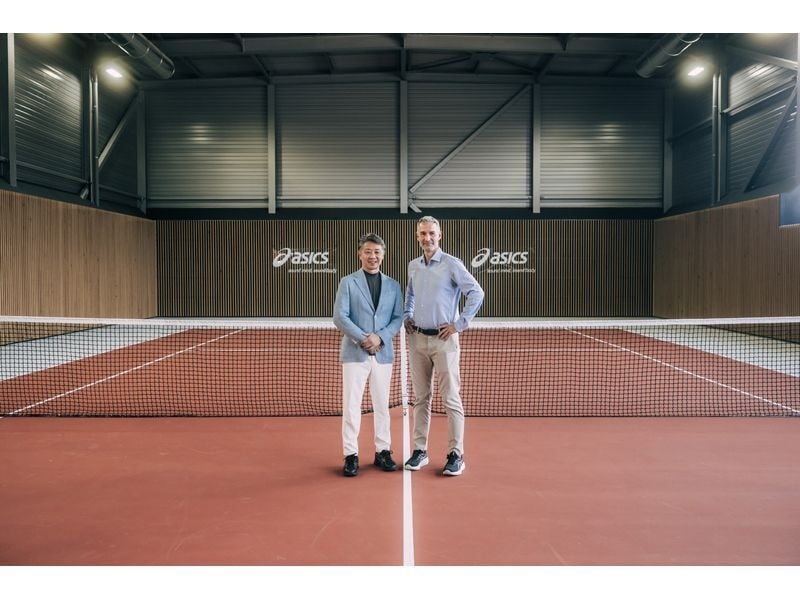
ASICS has achieved a major milestone by establishing the ASICS Institute of Sport Science Europe — or ISS Europe, for short. This venture presents a new research and development function within ASICS Europe B.V., and it was made possible through a partnership with HumanFab, a premier sports research center in France.
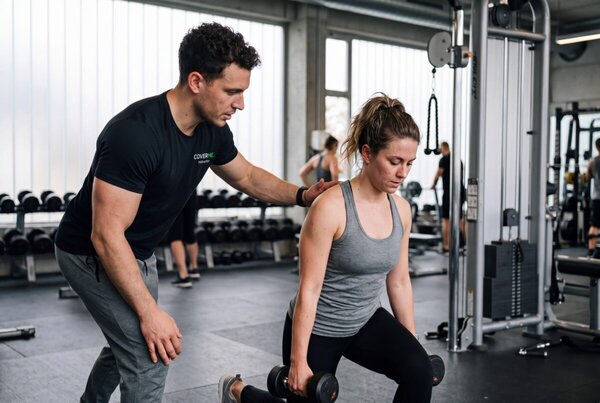
One of the primary purposes of ASICS Institute of Sport Science Europe is to enhance the brand’s innovation capabilities and athlete testing in the region. The sports giant announced that the initial focus on research activities will fall on tennis performance. HumanFab’s involvement grants ASICS access to a state-of-the-art indoor tennis court lab, which enables full-scale motion analysis, ball spin, and speed measurement in a regulation-size, competition-level environment. The ability to capture precise performance data in a setting that replicates actual competition conditions allows for more accurate insights into athlete movement, which can translate into products that offer better support, stability, and responsiveness for players of all levels.
This strategic move follows the recent establishment of the ASICS Institute of Sport Science America and represents a significant expansion of the company's global R&D network.
Image Credit: ASICS
What's Driving This Trend
- Athlete-tested Product Labs
- Competition-grade testing environments are reshaping footwear and equipment development by translating real athlete movement data into more precise performance features.
- Regional R&D Expansion
- Global sports brands are localizing research capabilities to capture market-specific athlete insights and accelerate innovation closer to key performance communities.
- Sensor-enhanced Performance Design
- Advanced motion analysis, ball tracking, and speed measurement are creating new pathways for data-informed products that personalize support, stability, and responsiveness.
Who This Affects Most
- Sportswear
- Performance apparel and footwear companies gain new differentiation potential through science-backed design systems that connect laboratory validation with consumer-ready products.
- Sports Technology
- Measurement platforms and biomechanics tools are becoming critical infrastructure for brands seeking to commercialize athlete data across training, product development, and retail experiences.
- Tennis Equipment
- Racket, footwear, and accessory makers face emerging opportunities as sport-specific laboratories reveal how spin, movement, and court conditions influence next-generation product engineering.