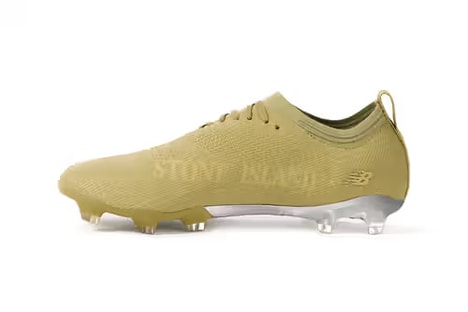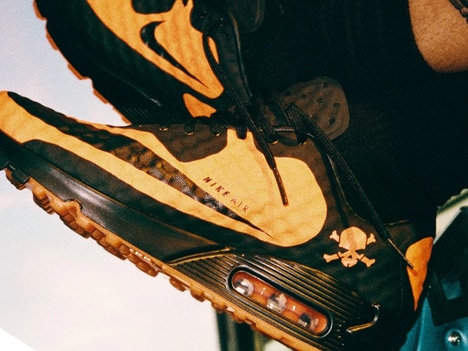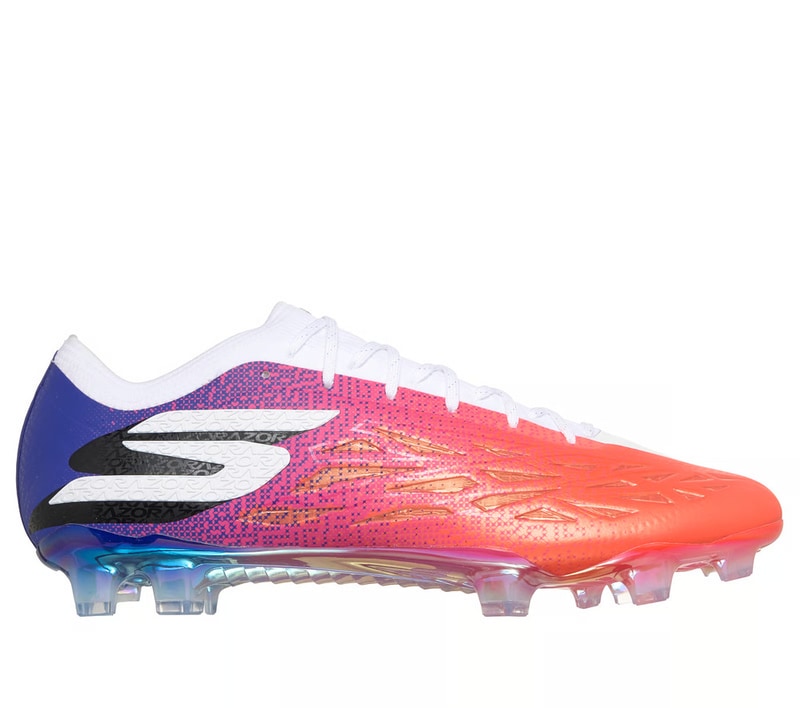
Skechers launched the ‘Razor 2 Elite’ speed boot alongside the ‘Football Sunset Pack’ ahead of the FIFA World Cup, debuting a lighter update featuring cut-out upper sections, a thermoplastic and fiberglass plate and a Hyper Burst Pro sockliner that requires no break-in period. The Skechers Razor 2 World Cup football boot will be worn by Barış Alper Yılmaz and Anthony Elanga, while Harry Kane, the 2025/26 European Golden Boot winner, leads in the ‘SKX_2 Elite,’ built for precise strike control.
A campaign featuring Kane, Yılmaz and Elanga in a ‘Skechers Motel’ Americana-inspired concept also includes Ruud Gullit, Frank Leboeuf and Jamie Redknapp, with a follow-up ‘Neon City Pack’ scheduled to launch in July.
Skechers shows how pairing a high-profile athlete roster with a culturally rooted campaign can accelerate the growth of a newer football boot brand on the sport’s biggest stage.
Image Credit: Skechers
Part of the cluster
Homefield Merch
Brands turn household purchases into ways to participate in football moments
Explore the cluster



What's Driving This Trend
- Performance-focused Lightweight Boots
- Ultra-light constructions with integrated plates and advanced sockliners open space for footwear that dramatically enhances player speed and reduces break-in time.
- Athlete-led Cultural Campaigns
- High-profile athlete rosters paired with culturally resonant storytelling create scalable brand legitimacy that can disrupt incumbent market leaders during major sporting events.
- Cut-out and Modular Uppers
- Removable or reconfigurable upper panels suggest new product ecosystems where customization, repairability, and rapid iteration change purchase and lifecycle models.
Who This Affects Most
- Sports Footwear
- Advances in plate materials and sockliner technology present opportunities to redefine performance categories and consumer expectations within athletic shoe markets.
- Sports Marketing and Branding
- Campaigns that fuse celebrity athletes with nostalgic or localized themes indicate pathways for brands to capture attention and shift allegiance in saturated categories.
- Materials Science for Footwear
- Innovations in thermoplastics, fiberglass composites, and cushioning foams enable novel weight-to-performance ratios that can transform product design and manufacturing economics.