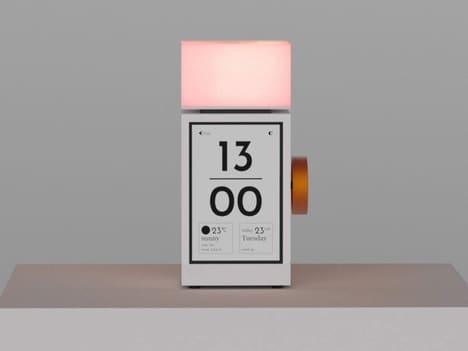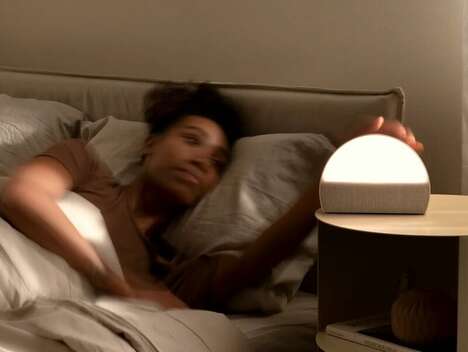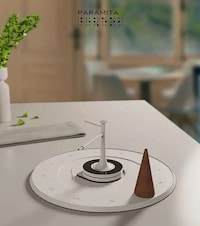
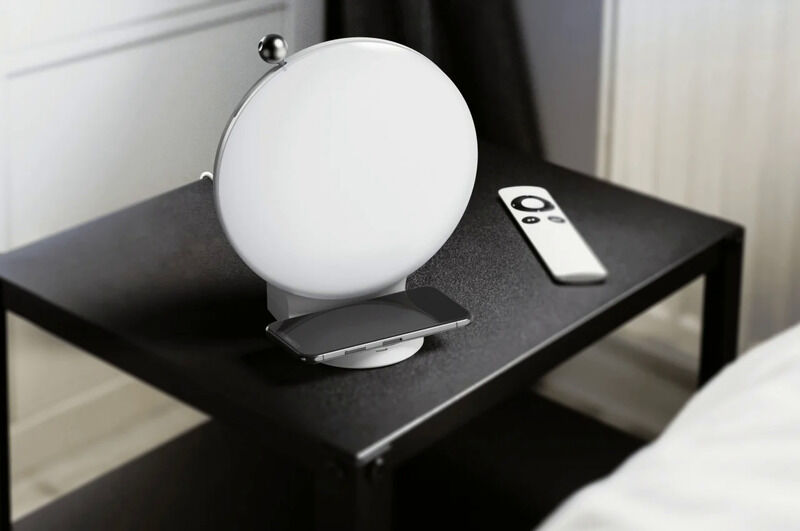
The conceptual 'Routine' alarm clock has been designed by Gloria Jung as a functional addition to the bedroom for any user, but is imagined especially for those who require accessibility support. The alarm clock makes use of a light-based alert system to gently awaken the user instead of requiring auditory cues. This makes it ideal for those with hearing impairments to help them go to sleep in a tranquil environment and awaken softly instead of being jarred awake by vibrating alternatives.
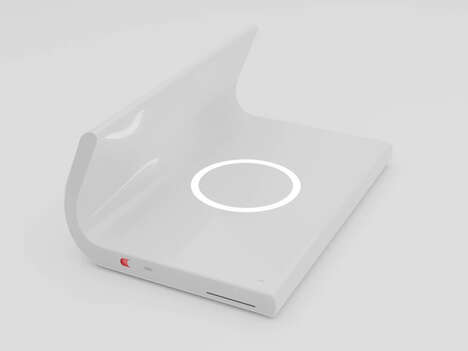
The conceptual 'Routine' alarm clock features a number-free design for the light portion and has an intuitive interface in the base for setting up the wakeup time. The base also functions as a wireless smartphone charger to further enhance nightstand efficiency.
What's Driving This Trend
- Accessibility-focused Alarm Clocks
- Designing alarm clocks targeting users with disabilities or impairments.
- Light-based Alert System
- Replacing auditory cues with light-based alert system for a soothing wake-up experience.
- Intuitive Interfaces for Functional Devices
- Creating intuitive experiences in functional devices like alarm clocks.
Who This Affects Most
- Healthcare
- The healthcare industry can benefit from designing more accessibility-focused products for patients with disabilities.
- Consumer Electronics
- Consumer electronics companies can pioneer the development of light-based alarm clocks with intuitive interfaces.
- Home Decor
- Home decor companies can make alarm clocks that not only serve their purpose but also add aesthetic value to a room.