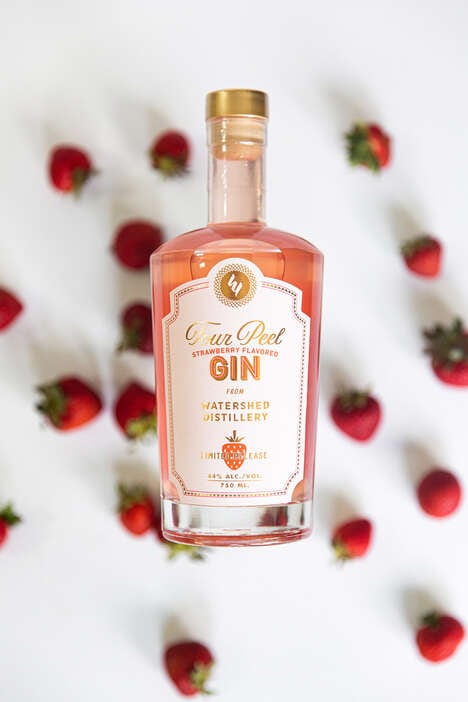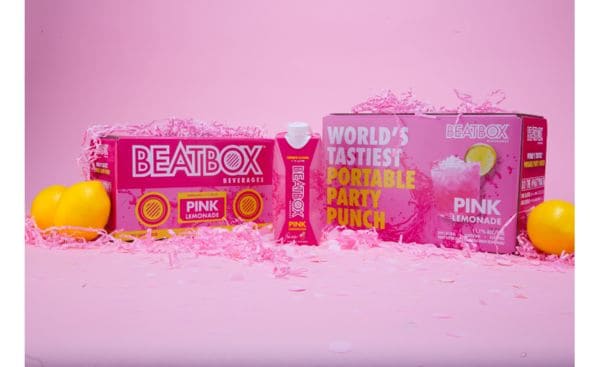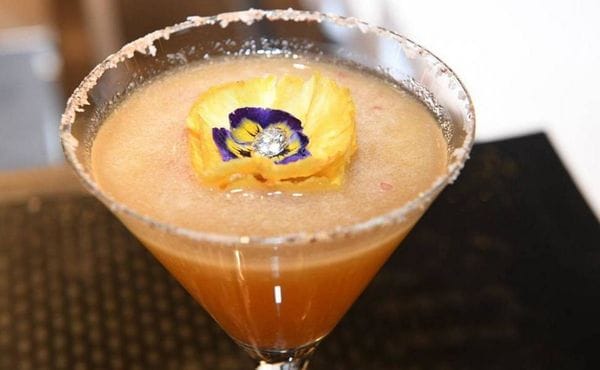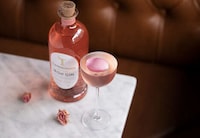
Rosé-infused gin is the latest iteration of experimental alcoholic pairings. Between wine-infused gummies and alcoholic jelly spreads, it appears as nothing is too offbeat for a rosé infusion. To capitalize on the imaginative pairing, the respected winemakers at Wölffer Estate Vineyard branched into hard liquor, infusing a batch of gin with their famous rosé.
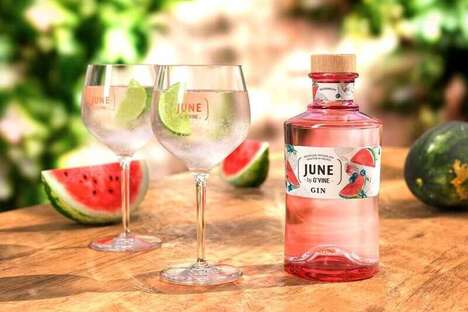
According to the company, the base of the gin is made from the pink alcohol, resulting in a fruity aroma that's more playful and colorful than the standard grain base. The elaborate pink color was achieved through a small amount of grape skin extracts, which make the drink's aesthetics as appealing as its unique flavor profile.
Key Themes Behind This Trend
- Wine-infused Spirits
- Experimenting with wine-infused spirits like gin provides opportunities to create unique, playful flavor profiles that can appeal to consumers looking for something different, possibly leading to new product lines.
- Unconventional Alcoholic Pairings
- Companies willing to experiment with unconventional pairings, such as wine-infused spirits, can tap into a growing trend of consumers looking for unique and surprising flavor combinations.
- Colorful Alcoholic Beverages
- Creating alcoholic beverages with a unique and fun aesthetic, such as the pink hue of rosé-infused gin, can help companies stand out in the crowded alcoholic beverage market.
Where This Applies
- Wine and Spirits
- Winemakers and distillers can look to create unique wine-infused spirits like gin to offer their customers new, playful drinking experiences.
- Food and Beverage
- Food and beverage companies can market and sell innovative edible products that combine wine and spirits, such as wine-infused gummies and jelly spreads.
- Hospitality
- Bars and restaurants can capitalize on the trend of unique alcoholic pairings, such as serving rosé-infused gin or other wine-infused spirits as part of cocktail menus to appeal to a consumer demographic looking for new and creative drinking experiences.