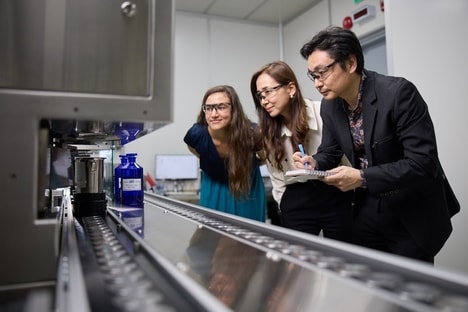
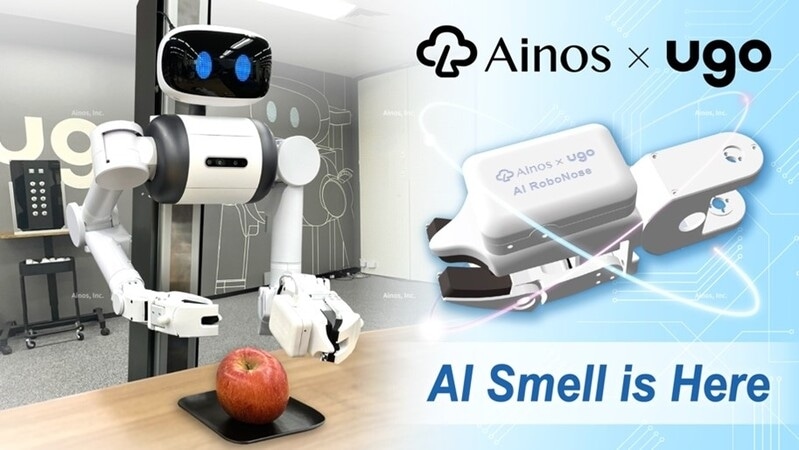
Ainos and ugo have achieved a technological breakthrough by successfully integrating robotic smell capabilities into a commercial humanoid platform. This reportedly marks the first operational implementation of artificial smell in service robotics.
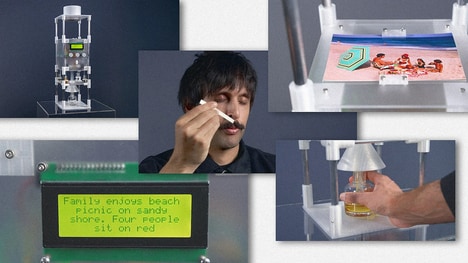
The collaboration combines Ainos' AI Nose system — which converts volatile organic compounds into digital scent signatures — with ugo's advanced robotics platform. The venture boldly expands machine perception beyond visual and auditory inputs to include environmental odor analysis. The robotic smell integration enables robots to detect and interpret airborne chemicals with human-like sensitivity, opening applications ranging from industrial safety monitoring to healthcare diagnostics. The rapid development timeline, progressing from partnership announcement to functional prototype in just over a month, demonstrates both companies' technical proficiency and commitment to bringing multisensory AI into practical deployment.
Image Credit: Ainos x ugo
Key Themes Behind This Trend
- Robotic Olfactory Systems
- The integration of olfactory capabilities into robots allows machines to analyze environmental odors, potentially revolutionizing sectors like safety monitoring and healthcare.
- Multisensory AI Development
- Expanding AI's sensory inputs beyond vision and sound to include smell paves the way for more nuanced machine-environment interactions, enhancing automation possibilities.
- AI-powered Scent Detection
- AI systems that translate chemical compounds into digital signatures open opportunities for innovative applications in diagnostics and industrial monitoring.
- Multisensory Robotics
- Robotic platforms incorporating smell, alongside existing sensors, create versatile systems capable of more comprehensive environmental assessments.
Where This Applies
- Service Robotics
- The inclusion of olfactory sensors in humanoid robots signals a shift towards more life-like, perceptive machines for varied applications.
- Healthcare Diagnostics
- Utilizing robotic systems to interpret airborne chemical signatures may dramatically refine diagnostic processes and patient care.
- Industrial Safety
- AI-enabled scent detection in industrial robotics enhances the ability to identify hazardous chemicals, improving workplace safety protocols.