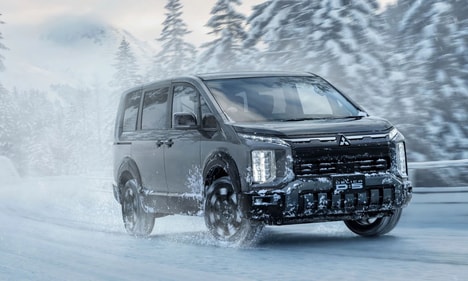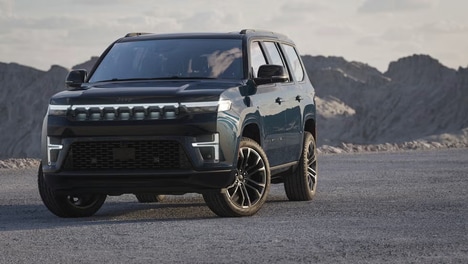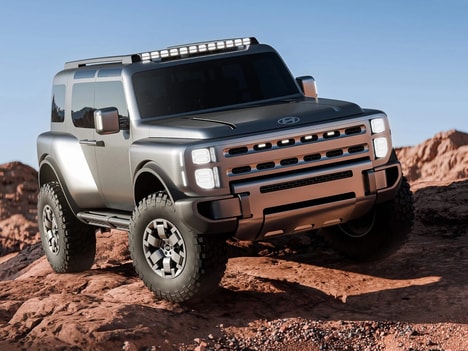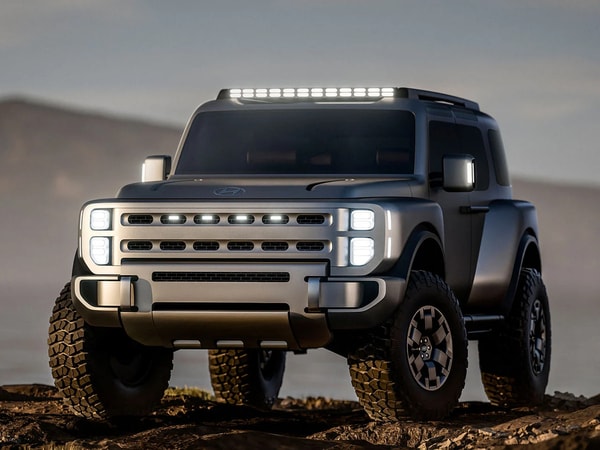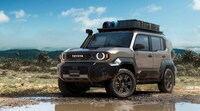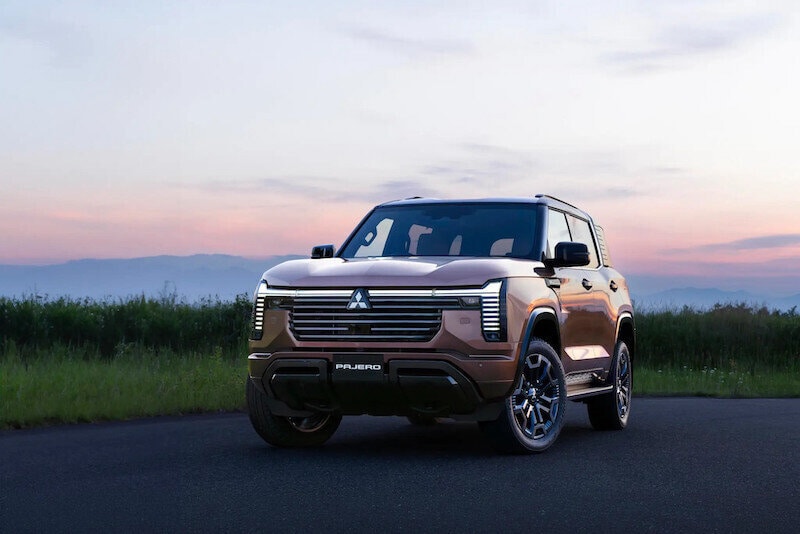
Digitally enhanced off-roaders are combining rugged mechanical capability with advanced technology to make challenging terrain easier to navigate. Mitsubishi’s all-new Pajero pairs its rigid ladder frame and 2.4-liter clean diesel engine with S-AWC vehicle dynamics control and seven selectable drive modes for conditions including snow, mud, sand and rock. A 3D Multi Around Monitor also provides real-time surroundings and an under-floor view that helps drivers assess otherwise hidden terrain.
The model allows Mitsubishi to modernize an established nameplate while preserving the off-road capabilities associated with the Pajero. Premium cabin features, connected services and driver assistance can broaden its appeal beyond dedicated off-road enthusiasts to families and everyday SUV buyers. This balance of heritage, capability and technology can strengthen the Pajero’s position as Mitsubishi’s next-generation flagship while differentiating it in the competitive premium SUV market.
Image Credit: Mitsubishi
Why This Trend Is Growing
- Terrain Intelligence
- Sensor-rich visibility systems and selectable drive logic are reshaping off-road mobility by making complex environments more accessible to mainstream SUV buyers.
- Heritage Modernization
- Established vehicle nameplates gain renewed relevance when legacy mechanical credibility is paired with connected services, premium interiors and adaptive digital controls.
- Everyday Adventure Vehicles
- Premium SUVs are increasingly blending family-friendly comfort with rugged performance, creating whitespace between lifestyle crossovers and specialized off-road machines.
Industries Being Reshaped
- Automotive
- Automakers can differentiate flagship SUVs through integrated chassis control, terrain-specific software and real-time driver-assistance technologies.
- Mobility Technology
- Advanced sensing, visualization and vehicle dynamics platforms are enabling new mobility experiences that reduce the skill barrier for difficult terrain.
- Outdoor Recreation
- Digitally assisted off-road vehicles expand participation in adventure travel by making remote destinations feel safer and more approachable for casual explorers.