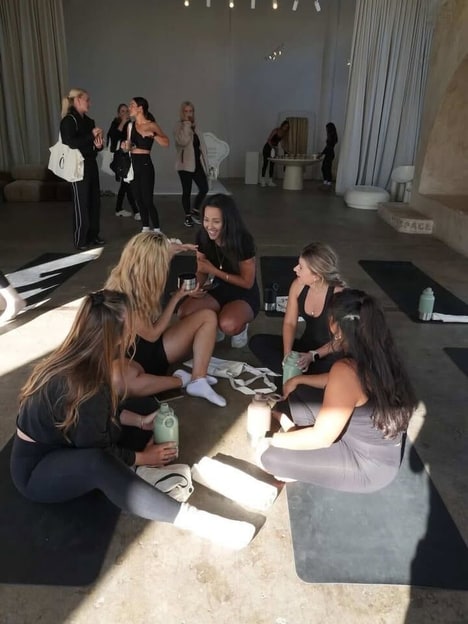
Just as people turn to wellness retreats for a reset that leaves them feeling more restored and whole, JCPenney invited six real shoppers to heal from the uncertainty of making purchases at off-price stores as part of its new Retail Rejuvenation campaign. Based on the idea that off-price shoppers sacrifice their dignity for the sake of a deal, the experience saw people embrace total clothing cleanses and "Yes, JCPenney" (the brand's tagline) as their new guiding mantra for affordable, quality, no-compromise shopping.
For those who wish they could similarly heal their shopping habits, JCPenney is inviting people to bring in their recent “retail regrets” to one of its stores for a limited time at the end of August and trade them in for $15 off a $50 purchase. Offering a win for all, the items will be recirculated through Good360 to support families in need.
Why This Trend Is Growing
- Satirical Retail Wellness
- Humor-led wellness framing gives retailers a memorable way to transform bargain-shopping anxiety into an emotionally resonant brand experience.
- Regret-based Trade-ins
- Retail regret exchanges merge promotional incentives with circular donation channels, creating new value from unwanted purchases.
- Mantra-driven Shopping
- Simple campaign phrases can function like lifestyle affirmations, positioning affordable retail as a confidence-building alternative to compromise-driven shopping.
Industries Being Reshaped
- Department Stores
- Legacy retailers can differentiate value offerings by pairing accessible pricing with theatrical experiences that reframe quality and dignity.
- Retail Marketing
- Satirical, participatory campaigns expand how brands convert consumer frustrations into shareable activations and measurable store traffic.
- Charitable Redistribution
- Donation partnerships connected to retail promotions introduce scalable pathways for redirecting returned or regretted goods to communities in need.