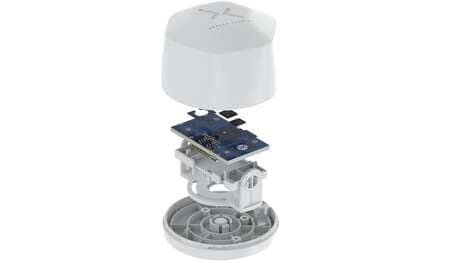
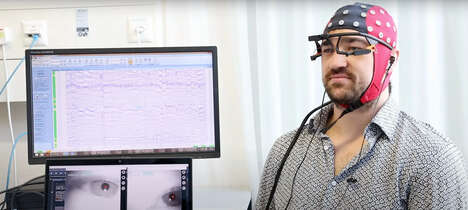
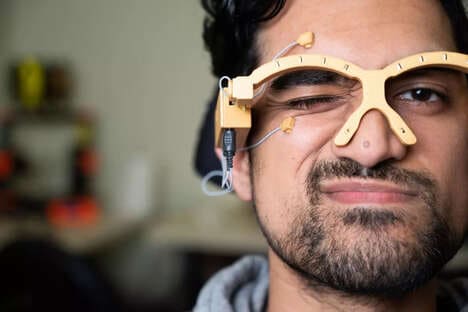
The Georgia Institute of Technology (GIT) has found a way to monitor the body on a microscopic level using a device designed for rehabilitation tech that is able to hear the faint sounds the body makes in its joints. The sounds are traditionally too quiet for a human ear to see, but this instrument is designed to pick up the audio. From there the sound is monitored, and able to provide valuable information on the body's overall joint function.
The project is designed to help medical professionals better hear the natural sounds of the body, that otherwise go unnoticed. The device tracks in-body noises and the patterns of sound to detect injuries.
The device can be implemented in a variety of ways from medical research to army use. For example, the Defense Advanced Research Project Agency is interested in using the science to monitor the health of its soldiers during maximum physical practices.
Why This Trend Is Growing
- Microscopic Body Monitoring
- The GIT's device for tracking rehabilitation tech using sound offers opportunities for monitoring the body on a microscopic level and detecting injuries.
- Enhanced Diagnostic Capabilities
- The device's ability to detect and track in-body noises and patterns of sound provides enhanced diagnostic capabilities for medical professionals.
- Non-invasive Health Monitoring
- The device's use of sound to monitor the body's overall joint function allows for non-invasive health monitoring.
Industries Being Reshaped
- Medical Research
- The device can be implemented in medical research to monitor and track the body's sounds for diagnostic purposes.
- Rehabilitation Technology
- The device offers disruptive innovation opportunities in the field of rehabilitation technology by utilizing sound to detect and track joint function.
- Defense/military
- The Defense Advanced Research Project Agency's interest in using the device to monitor soldiers' health during physical practices highlights its potential application in the defense industry.