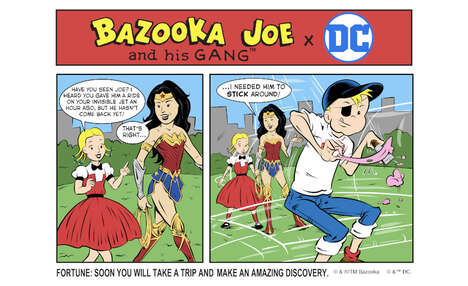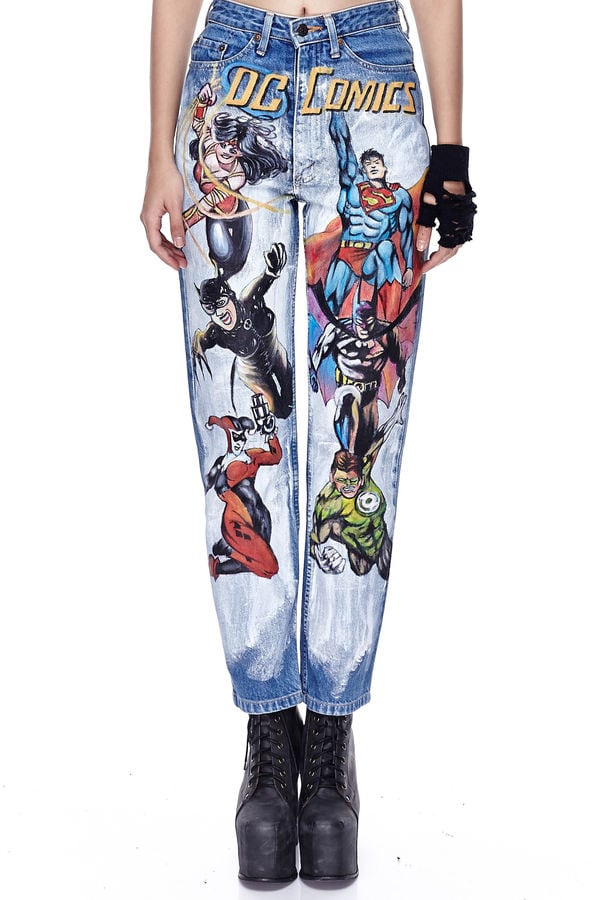
Comic books characters were never really thought of as regular people, and they're made to appear extremely extraordinary. Artist Greg Guillemin's 'The Secret Life of Heroes' puts comic book favorites such Batman, Superman and Wonder Woman in everyday scenarios where they are stripped bare to showcase ordinary everyday moments and experiences.
The illustrations breaks down the barriers of heroes and the everyday man. These captures include such things as Wonder Woman stuffing her bra, Superman picking his nose and the dynamic duo making out. The comic book characters are shown in real life scenarios that they would actually find themselves in. These drawings aren't meant to defame these beloved heroes, but to showcase a more human aspect to their characters, even if those aspects aren't the most realistic of scenarios.
What's Driving This Trend
- Humanizing Comic Characters
- Opportunity for comic book publishers to create more relatable and realistic characters, appealing to a wider audience.
- Deconstructing Hero Stereotypes
- Potential for media companies to challenge traditional hero stereotypes and explore new narratives and character arcs.
- Reimagining Iconic Figures
- Room for creative artists to reinterpret well-known comic book characters in unexpected and thought-provoking ways.
Who This Affects Most
- Comic Book Publishing
- Comic book publishers can leverage the trend of humanizing characters to create fresh storylines, attract diverse readership, and drive sales.
- Film and Television Production
- Film and TV studios can explore the deconstruction of hero stereotypes to develop unique adaptations and engage viewers with more complex and relatable characters.
- Art and Illustration
- Opportunity for artists and illustrators to reimagine iconic comic book figures, offering their unique perspective and sparking conversations about representation and identity.