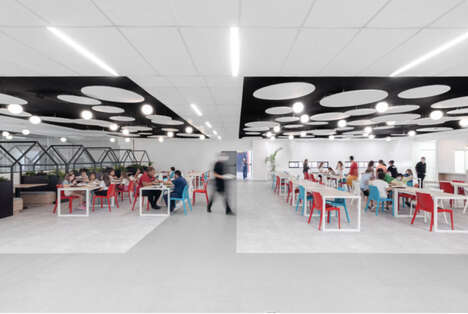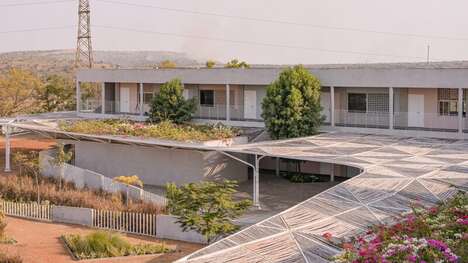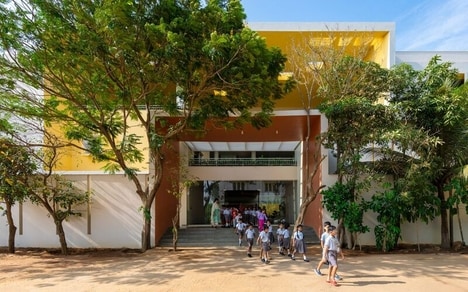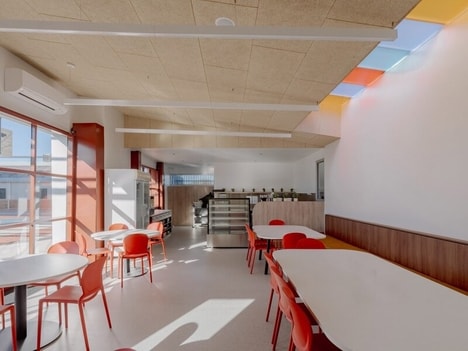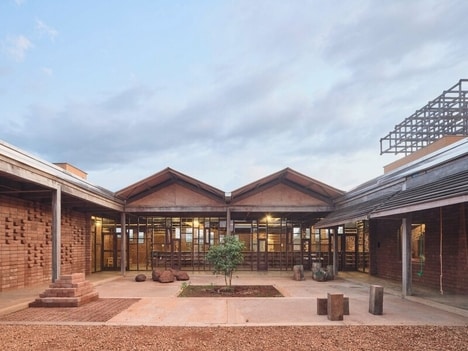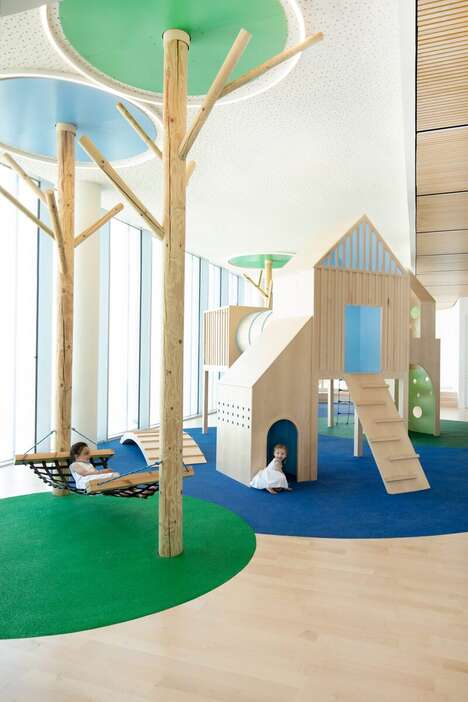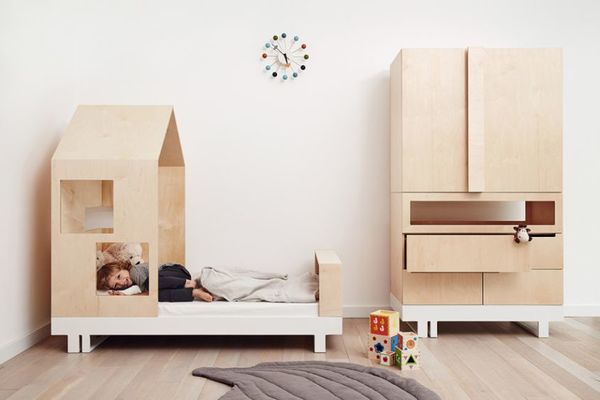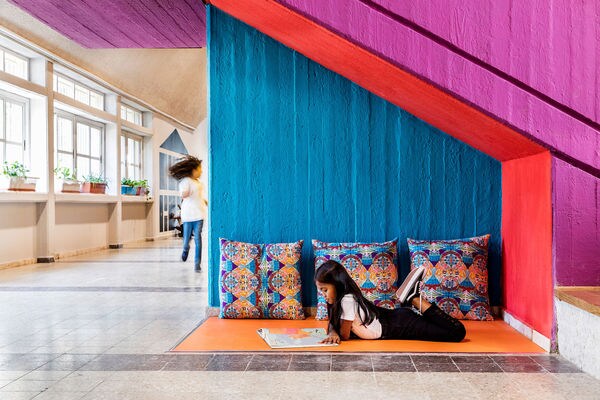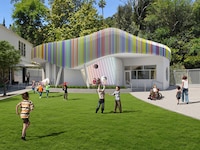
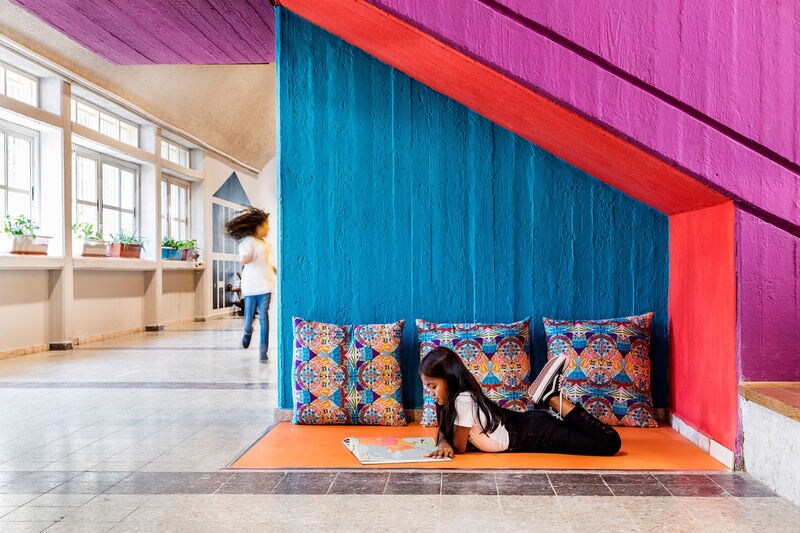
Tel Aviv-based architects and designers embarked on a pro-bono project that elevates the aesthetic of a local refugee children school. Named 'Hayarden,' the educational institution is situated in a working-class neighborhood and is intended to "become a home and a safe space for the children." The project is taken up by designer Sarit Shani Hay, architects Chen Steinberg Navon and Ayelet Fisher, with support from not-for-profit organization Zionut 2000.
Some of the new features of the refugee children school boast house-like communal spaces and vibrantly colored embellishments in the form of furniture and decor. The aesthetic is intended to be uplifting and playful, hinting at a tolerant environment. In addition, designer Lavi Kushelevich contributed to the project with an "ecological garden and playground."
Photo Credits: Itay Benit
Why This Trend Is Growing
- Enhanced Refugee School Environments
- Creating aesthetically pleasing and uplifting spaces for refugee children schools to foster a sense of safety and belonging.
- Community-inspired Design for Educational Institutions
- Incorporating communal spaces and vibrant colors in school design to promote inclusivity and tolerance.
- Ecological Gardens and Playgrounds in Schools
- Integrating sustainable gardens and outdoor play areas in educational institutions to provide holistic learning experiences.
Industries Being Reshaped
- Education
- Opportunity for architects and designers to collaborate with schools to create innovative and engaging learning environments.
- Nonprofit Organizations
- Nonprofits could partner with architects and designers to transform schools for underprivileged children, prioritizing aesthetic, safety, and inclusivity.
- Urban Planning and Design
- Urban designers can explore the integration of communal spaces and vibrant design elements in public buildings, such as schools, to foster a sense of community and well-being.