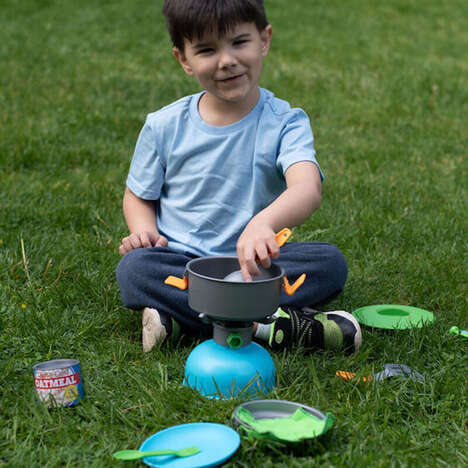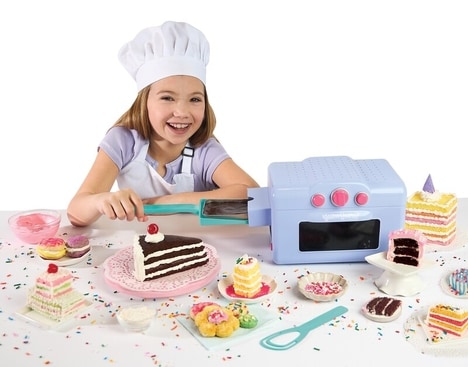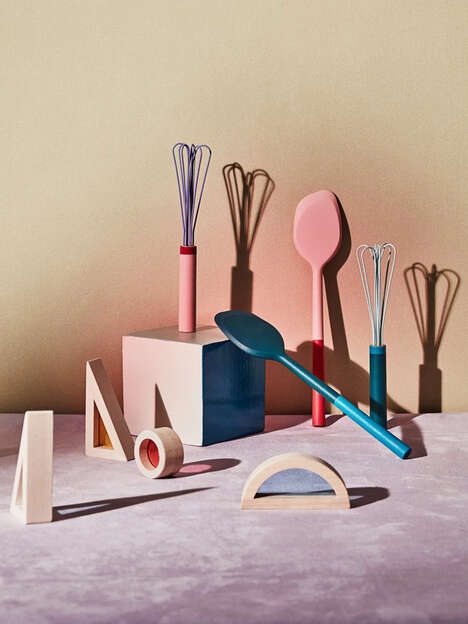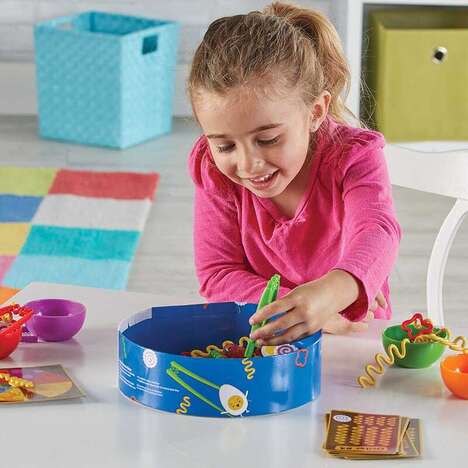
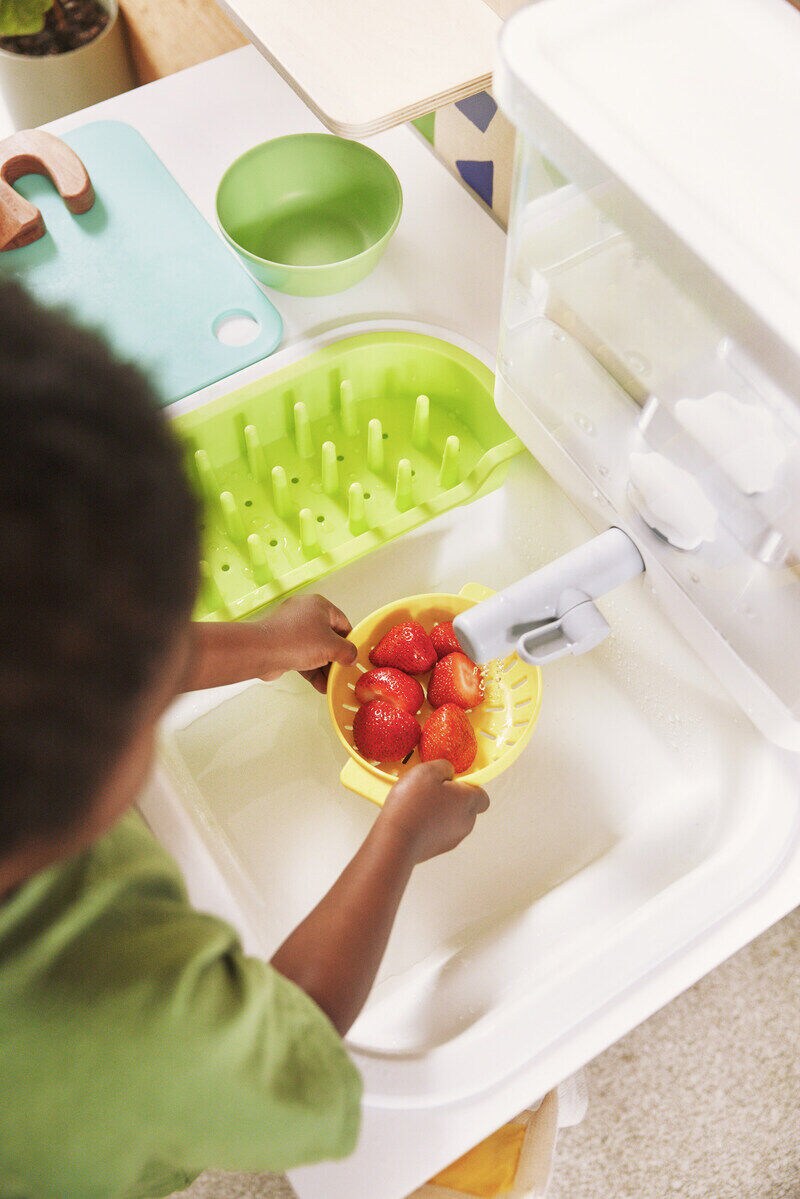
The Real Life Play Kitchen by Lovevery was developed for kids ages 18 months to five years and up, and it recognizes that children with exposure to a real-life kitchen tend to be less interested in versions for pretend play. As the company shared in a blog, "A play kitchen should double as a sensory laboratory where your toddler can practice a whole range of motor skills. Your toddler is capable of more than you might think and their confidence is built by practicing simple tasks on their own."
This safe, skill-building kitchen playset includes a real, working sink wth fresh water that's safe for drinking, a utensil drawer to store stainless steel utensils, interchangeable backsplashes, food-grade accessories and more. To inspire endless play, The Real Life Play Kitchen comes with an activity guide for parents.
Why This Trend Is Growing
- Sensory-enriched Toys
- Toys that promote sensory engagement offer children a multi-faceted learning experience combining tactile, visual, and auditory stimulation.
- Functional Play Environments
- Play environments that incorporate realistic, functional elements can enhance developmental skills and keep children engaged longer.
- Parent-inclusive Play Guides
- Activity guides for parents that come with toys can foster deeper bonding and provide structured, educational playtime.
Industries Being Reshaped
- Early Childhood Education
- The emphasis on skill-building toys highlights growing intersections between educational theories and practical play for young children.
- Toy Manufacturing
- Incorporating real, functional features in toys can elevate the standard for engaging and developmental products, setting new benchmarks in the industry.
- Home Goods
- Realistic play environments featuring household elements blur the lines between traditional toys and miniature versions of home essentials.