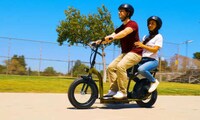
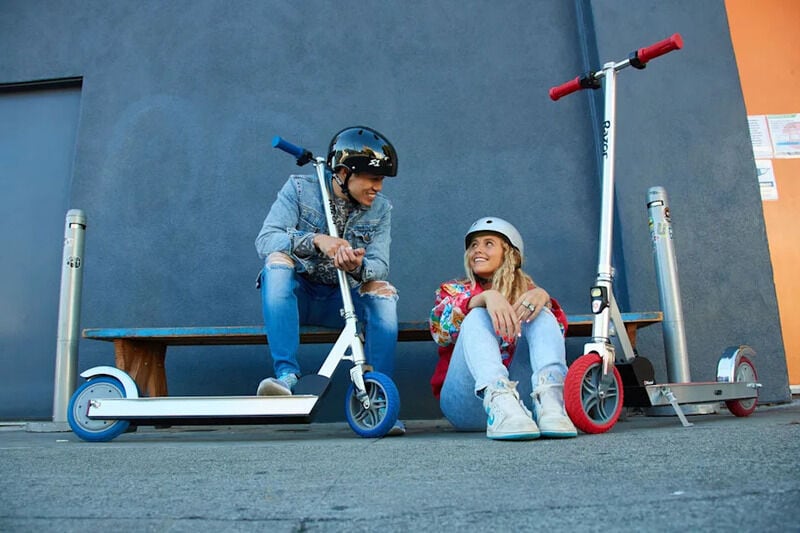
Iconic scooter and e-mobility brand Razor has returned to its roots to launch the Razor Icon, an upgraded version of the company's original Model A scooter, which took youth culture by storm in the early 2000s.
To appeal to the modern yet nostalgic consumer, the Razor Icon has been reimagined as an electric unit that maintains most of the Model 1's original styling and details. The e-scooter comes equipped with a 36V lithium-ion battery that is connected to a 350-watt motor capable of delivering top speeds of 18mph. In addition, an LED headlamp and brake light have been added to the unit, and its tires have been bumped up in size to 8.5 inches.
The Razor Icon is being launched today at Toy Fair, where it is being marketed as both a high-quality ride for urban commuters and a distinct piece of nostalgia for millennial consumers.
Image Credit: Razor
What's Driving This Trend
- Nostalgia-driven E-mobility
- Opportunity for brands to capitalize on nostalgic feelings while offering electric and sustainable transportation options.
- Modernization of Classic Designs
- Opportunity to revamp old designs through the implementation of technology while still maintaining the original aesthetic appeal.
- Retro-inspired Urban Transportation
- Opportunity to create e-scooters that cater to the urban commuter market with a touch of nostalgia-inspired design.
Who This Affects Most
- E-mobility
- E-Mobility companies can explore the integration of classic elements in their designs while progressing towards more sustainable transportation options.
- Toy and Recreational Goods
- Toy companies can look into updating classic toy designs with modern technologies to cater to both adult nostalgia and children's playtime.
- Urban Transportation
- Urban transport companies can tap into the growing trend of nostalgic urban transportation by offering e-scooters with retro-inspired designs to consumers.