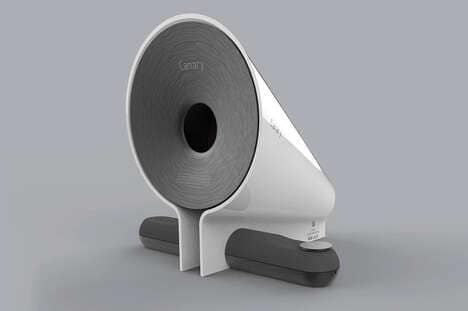
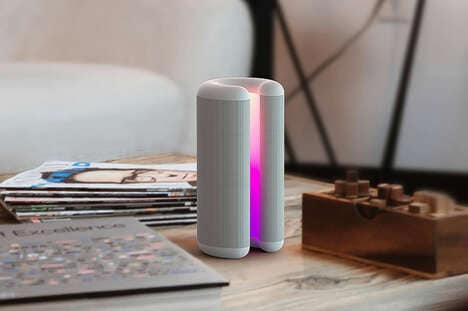
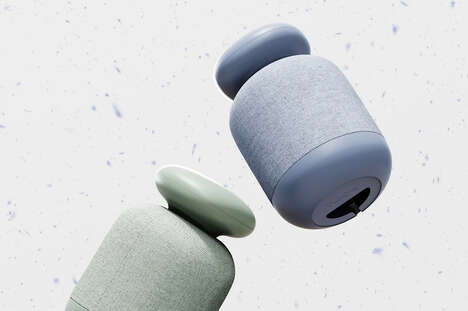
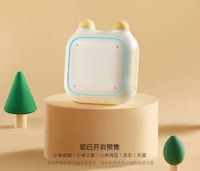
Smart speakers are the latest and greatest tech to set foot into the home and for the most part they all look uniformly similar, but Baidu and Teenage Engineering's 'Raven H' is looking to change the way we look at smart speakers. The Raven H is the product of a collaboration between Chinese Internet giant Baidu and Swedish tech design house Teenage Engineering. This design came about after Baidu's acquisition of Bejing smart home startup Raven. The internal speakers on the device were designed and manufactured by Tymphany.
The Raven H runs Baidu's conversation AI DuerOS and has full connection to services like Biadu Music, iqiyi and can connect to the Chinese version of Uber Didi Chuxing. The Raven H is set to launch in China with no expected worldwide release. The Raven H currently only works in Chinese, but is able to understand Western names and proper nouns. Several third parties have already hopped on board with support including Nvidia Shield and Linkplay.
Why This Trend Is Growing
- Design Collaborations for Smart Speakers
- Partnerships between tech design houses and manufacturers give room for creation of unique and non-standard smart speakers.
- Smart Speakers for Regional Markets
- Development of smart speakers should take into consideration regional languages and services to cater to local markets.
- Third-party Integration for Smart Speakers
- Allowing for third-party integration allows for more versatile and efficient use of smart speakers.
Industries Being Reshaped
- Smart Home Industry
- Collaboration of smart home startups with well-established tech companies can enhance development of smart home devices.
- Language Software Industry
- Development of multilingual AI is needed for smart speakers to cater to different language-speaking regions.
- Entertainment Industry
- Integration of different entertainment services with smart speakers can provide an immersive experience for the user.