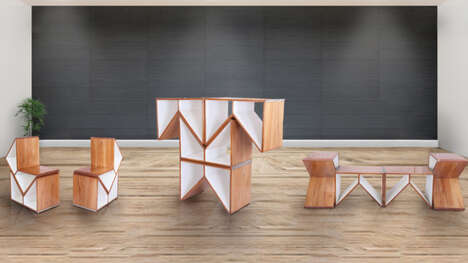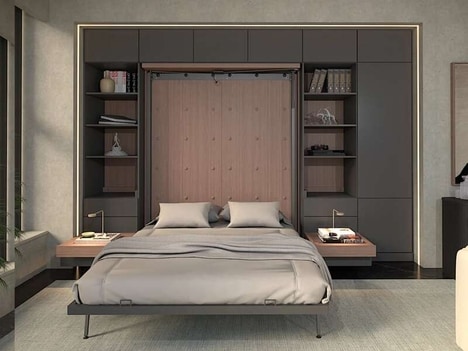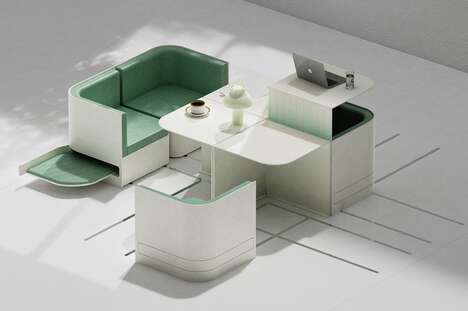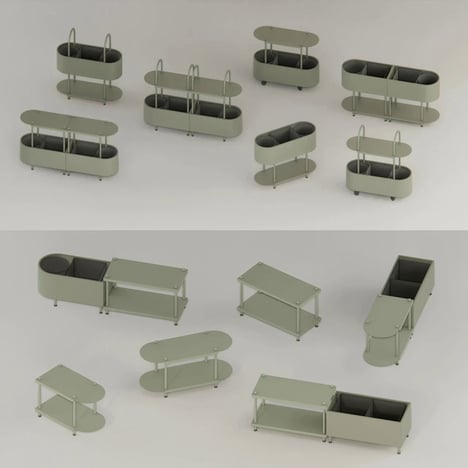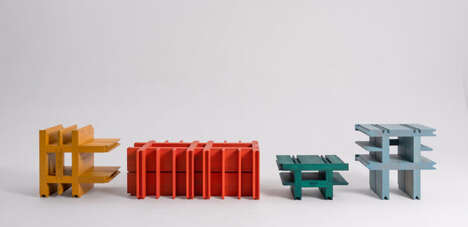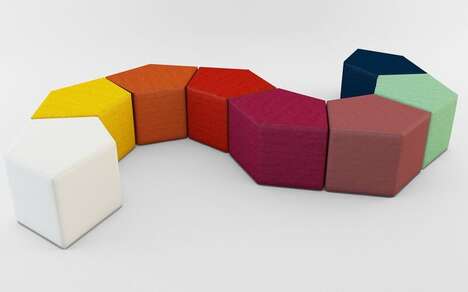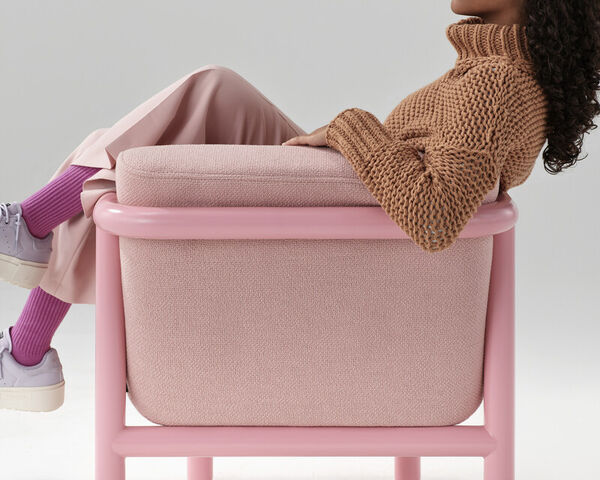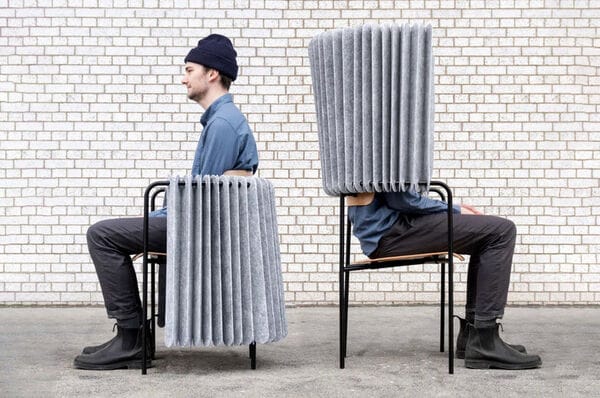
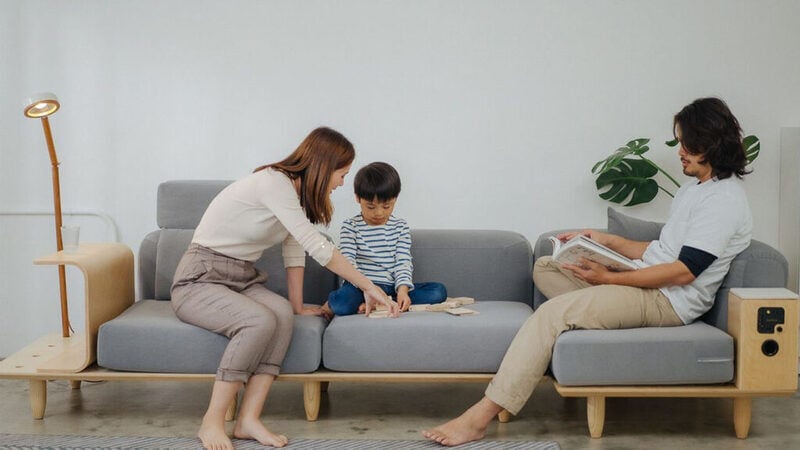
Qbit furniture is a collection of home decor pieces designed with the circular economy in mind to help consumers transform their space with a focus on style as well as adaptability.
The furniture is inspired by building block bricks, and is capable of being customized, repaired and assembled or reassembled without the need for tools. The collection of furniture pieces incudes sofas, beds, tables, shelves, chairs and more, which all feature shared components to transfer them between each piece.
The Qbit furniture is constructed with a series of bottom plates that, when combined with different legs or cushions, will provide an array of different pieces for the home. The various furniture pieces are being exhibited at the M&O furniture show in France.
Image Credit: Qbit
Why This Trend Is Growing
- Circular Economy-friendly Furniture
- There is an opportunity for furniture manufacturers to develop customizable, modular furniture designs that prioritize adaptability and sustainability.
- Customizable Building Block Furniture
- The Qbit furniture design presents an opportunity for manufacturers to explore the market for highly customizable and easily assembled furniture that can adapt to changing needs.
- Tool-less Furniture Assembly
- Manufacturers could invest in creating tool-less furniture designs that save time and reduce the need for specialized skills in putting furniture together.
Industries Being Reshaped
- Furniture Manufacturing
- Furniture manufacturers can leverage trends towards circular economy-friendly, customizable, and tool-less furniture design to differentiate their products.
- Interior Design
- Interior designers can experiment with innovative, modular furniture designs like Qbit furniture to add a touch of flexibility and modernity to their projects.
- Home Renovation
- Home renovation companies can keep up with trends towards adaptable, sustainable, and innovative furniture design by partnering with furniture manufacturers that prioritize these qualities.