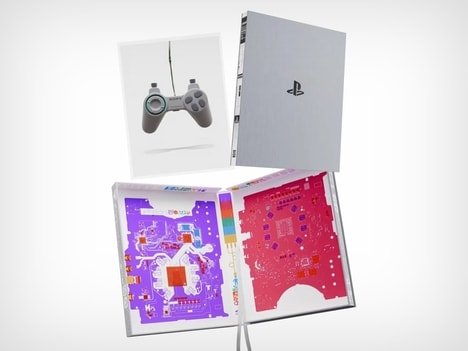
Though today's psychological practices are far more advanced, Psychobook is a testament to the inefficacy and downright absurdity of psychological testing over the course of the past century and a half or so. The recently released coffee table book is a collection of real psychological tests from throughout history, some of which are defunct and some of which remain in practice.
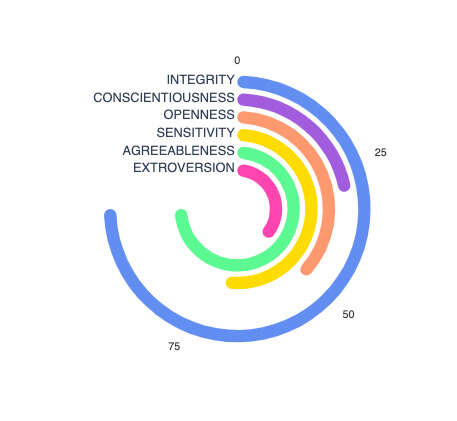
Psychobook includes tests for a variety of mental ailments, capacities and conditions. It contains IQ tests that assess reasoning, with things like pattern recognition and spatial games, as well as tests designed to assess whether a person is "normal" or "deviant" (neither of which terms are in the medical lexicon today.)
The book also contains some famous and familiar tests, such as the Rorschach inkblot test.
What's Driving This Trend
- Historical Psychological Testing
- Exploring the inefficacy and absurdity of psychological testing over time offers opportunities for disruptive innovation in modern psychological assessment.
- IQ Testing and Reasoning
- The inclusion of IQ tests that assess reasoning presents an opportunity for disruptive innovation in developing more comprehensive and accurate intelligence assessments.
- Assessment of Normalcy and Deviance
- The examination of tests designed to assess normalcy and deviance creates opportunities for disruptive innovation in creating more inclusive and sensitive methods of evaluating mental health.
Who This Affects Most
- Publishing
- The release of Psychobook and its exploration of historical psychology tests creates disruption opportunities within the publishing industry for producing informative and thought-provoking books.
- Psychological Assessment
- The collection of real psychological tests from the past can lead to disruptive innovation in the field of psychological assessment, refining current practices and methodologies.
- Mental Health Services
- The inclusion of familiar and defunct tests in Psychobook presents opportunities for disruptive innovation in mental health services by reassessing the effectiveness of certain diagnostic tools.