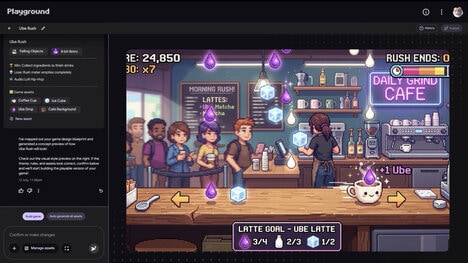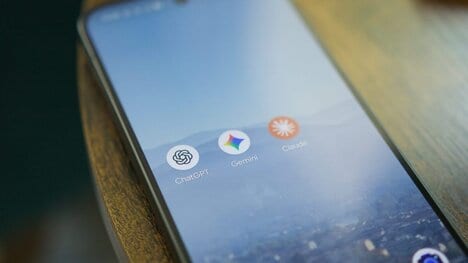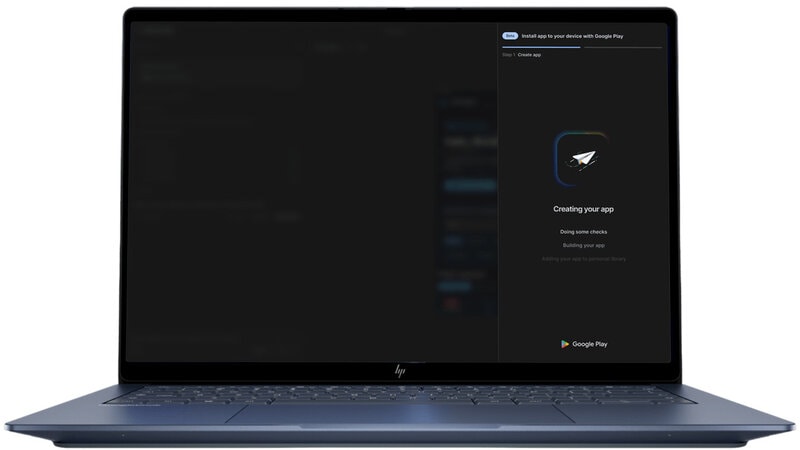
Google Play will now support private Android apps that run on a phone without being published for everyone else to find. Google built the option for people using AI to create personal apps, then launch them on their own device through a standard Google account while keeping them hidden from public search and listings.
The feature initially reaches U.S. users aged 18 and older, and Google says those apps must still follow Play policies. That matters because a tool built for one person no longer needs to pass through the full public-store model before it can be used, even though Google still maintains a safety gate.
With Google Play reaching around 3 billion users, this private path marks a notable shift in Android app development. It makes it easier to turn a personal idea into a working native app, while offering a smoother way to move a successful private app to the public store later.
Image Credit: Google
What's Driving This Trend
- Private App Deployment
- Restricted app distribution models create room for personalized software ecosystems that bypass public discovery while retaining platform-level governance.
- AI-built Personal Software
- Generative app creation lowers the barrier for individuals to produce native mobile tools tailored to highly specific workflows and daily needs.
- Controlled Mobile Experimentation
- Hidden launch pathways support safer early testing of niche applications before broader marketplace release or commercialization.
Who This Affects Most
- Mobile App Development
- Native development markets are shifting as AI-assisted builders and private publishing reduce reliance on traditional developer pipelines.
- Consumer Technology
- Personal device experiences gain new customization potential when users can generate and run private apps outside public app-store visibility.
- Digital Platform Governance
- App marketplaces face emerging oversight models that balance user-created software access with safety, compliance, and distribution controls.