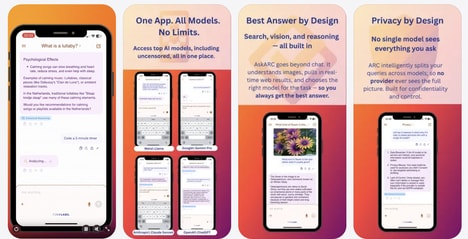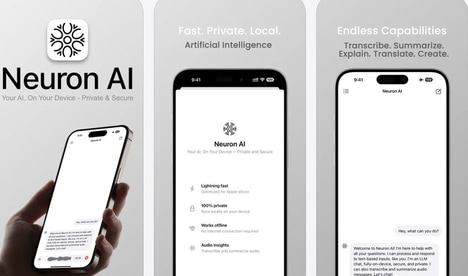

Onix’s Personal Intelligence platform introduces a new model for AI by shifting away from generalized systems toward expert-specific guidance. Instead of relying on internet-trained data, each system is built using an individual expert’s licensed research and frameworks, creating more focused and credible outputs. The platform also prioritizes privacy by storing conversations locally on users’ devices and encrypting interactions, reducing concerns around data tracking and centralized storage. Over time, the system adapts to users’ needs, allowing guidance to become more relevant through continued use.
This approach has clear business implications across the AI and healthcare sectors. It signals a move toward niche, subscription-based AI services built around trusted authorities rather than broad platforms. Companies may explore partnerships with experts to monetize proprietary knowledge, while privacy-first architecture could become a competitive differentiator. As trust becomes a key factor in AI adoption, especially in sensitive categories like health, solutions that limit data exposure may influence future product development and consumer expectations.
Image Credit: Onix
Why This Trend Is Growing
- Expert-trained AI Models
- AI systems built exclusively on licensed expert research enable highly specialized, authoritative outputs that can displace broad, generalist models in domain-critical applications.
- Privacy-first Architecture
- Local storage and end-to-end encryption of user interactions create architectures that reduce centralized data risk and redefine trust standards around personal information handling.
- Niche Subscription AI Services
- Subscription platforms centered on singular authorities or specialties present recurring revenue models that capitalize on credibility and deep domain customization rather than scale.
Industries Being Reshaped
- Healthcare
- Clinically-aligned AI assistants trained on practitioner-verified protocols could transform diagnostics and patient guidance by offering privatized, expert-backed recommendations.
- Legal Services
- Confidential, expert-curated AI advisors have the potential to reshape legal research and client counseling through secure, jurisdiction-specific interpretations of law.
- Education
- Personalized tutors based on licensed educator curricula may alter learning pathways by delivering privacy-preserving, specialist-driven instruction and assessment.