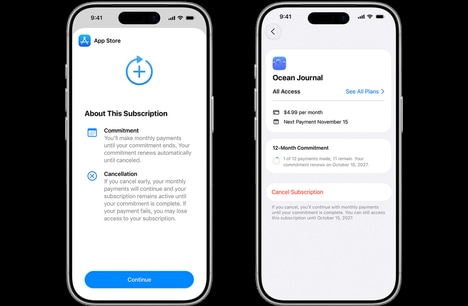
Google Play is expanding subscriptions with usage-based billing, letting prepaid balances top up automatically when they fall below a set level. The system is aimed at services with variable costs, especially generative AI apps, and it shifts Play billing beyond a fixed monthly charge.
Google Play is also adding team subscriptions and mixed subscription and one-time purchases. Those options give developers cleaner ways to sell shared access and extras without forcing every checkout into one payment shape. It is a small but useful move for products that do not fit a single recurring fee.
For brands, this means subscription pricing can follow actual use instead of squeezing customers into one standard plan. It also gives AI services and other variable-cost apps more room to match billing to demand, which can make payment design part of the product experience rather than an afterthought.
Image Credit: androidauthority.com
What's Driving This Trend
- Usage-based Subscriptions
- Flexible pricing models are reshaping digital services by aligning customer charges with actual consumption, creating space for products with variable costs to scale more efficiently.
- Embedded Payment Design
- Billing structures are becoming part of the user experience as apps blend prepaid balances, automatic top-ups, subscriptions, and one-time purchases into more adaptive monetization systems.
- Shared App Access
- Team subscriptions are expanding how digital products serve groups, making collaborative access a more natural fit for productivity, AI, and service-based platforms.
Who This Affects Most
- Mobile Apps
- App marketplaces are evolving beyond fixed recurring fees, giving developers more granular ways to package access, usage, and add-ons within native billing ecosystems.
- Generative AI
- High and variable compute costs make consumption-based pricing especially relevant for AI tools, where monetization can more closely mirror demand, intensity, and user value.
- Digital Payments
- Payment infrastructure is moving toward configurable billing flows that support hybrid purchasing models, automatic balance management, and more personalized customer relationships.