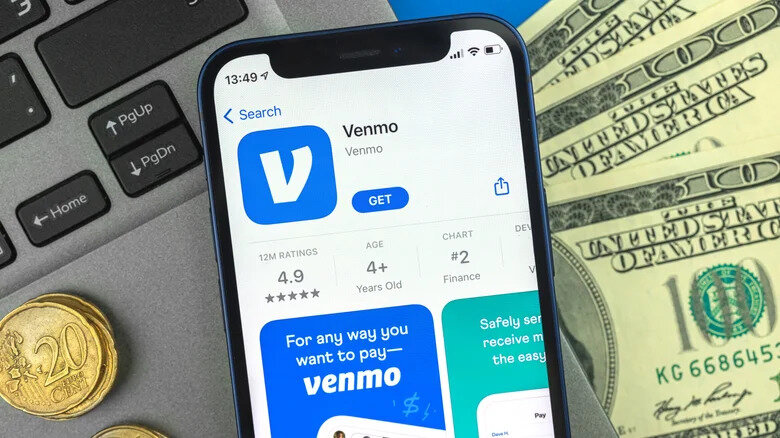
Google Play has added Venmo as a payment method, allowing users in the US to purchase apps, subscriptions, and in-app content using their Venmo balance or linked bank accounts and cards. Users can enable the feature by adding Venmo through the Payment Methods section of the Google Play app. Once linked, the payment option can also be used across other Google services, including YouTube.
The addition expands Google Play's existing payment lineup, which already includes credit and debit cards, PayPal, and Cash App. It also follows Google's rollout of alternative billing options in the US, UK, and Europe as part of its settlement with Epic Games. Developers can now offer their own payment systems or direct users to external websites for purchases, though those alternative checkout options may not support Venmo.
Key Themes Behind This Trend
- Social Wallet Checkouts
- Embedded peer-to-peer wallet payments create room for app marketplaces to reduce card dependency while meeting consumer preferences for familiar, stored-value accounts.
- Alternative App Billing
- Marketplace payment flexibility is reshaping developer monetization by widening the path for external checkout flows, direct customer relationships, and differentiated fee structures.
- Cross-service Payment Linking
- Unified payment credentials across digital ecosystems can streamline purchases for media, apps, and subscriptions while increasing platform stickiness.
Where This Applies
- Digital Payments
- Peer-to-peer payment networks are expanding beyond transfers into commerce infrastructure, creating new value in wallet acceptance, fraud controls, and merchant integrations.
- Mobile App Stores
- App distribution platforms are evolving into more open payment environments where billing choice can influence developer loyalty and consumer conversion.
- Subscription Media
- Streaming and content services gain new monetization potential when popular wallet options lower checkout friction for recurring purchases and digital upgrades.