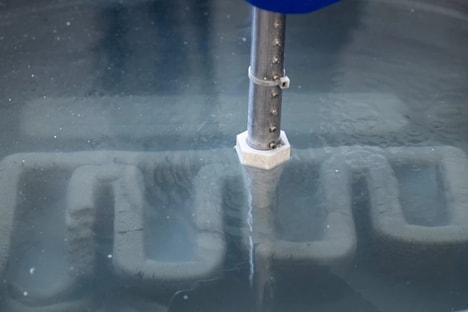
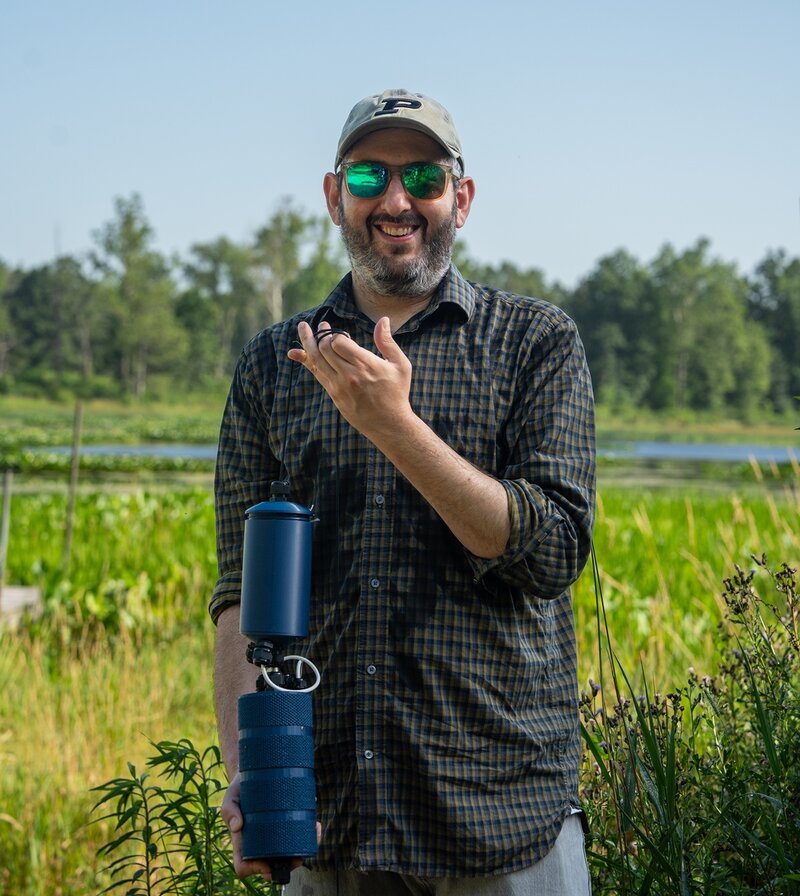
A Purdue University researcher introduced a patent-pending, 3D-printed groundwater sensor designed to monitor the speed and direction of subsurface water movement at a fraction of the cost of specialized alternatives. Developed by Jacob Hosen and Zaven Arra, the device can be produced for a few hundred dollars using lab-printed housings and circuit boards equipped with arrays of temperature sensors.
The textured housing is designed to recreate the surrounding soil environment without disrupting natural water flow. Components can be assembled in-house, enabling rapid design changes without relying on external manufacturing. The sensors transmit data wirelessly over LoRa networks while storing information locally as a backup, and initial testing showed continuous underwater operation for seven to eight months.
For researchers and environmental agencies, the lower-cost design could support more distributed monitoring of groundwater movement, contamination and wetland hydrology. The team is pursuing patent protection to preserve the technology’s intended open-source availability.
Image Credit: Purdue University
Key Themes Behind This Trend
- Low-cost Environmental Monitoring
- Affordable sensor networks create new possibilities for broad, continuous tracking of groundwater, contamination, and ecosystem changes in areas previously limited by equipment costs.
- 3d-printed Scientific Hardware
- Lab-fabricated device housings and circuit boards enable faster iteration, localized production, and customized tools for specialized environmental research needs.
- Wireless Subsurface Data Collection
- LoRa-enabled underground sensors expand remote field monitoring by combining long-term data transmission with onboard storage for resilient environmental intelligence.
Where This Applies
- Environmental Services
- Distributed groundwater sensing supports more precise site assessment, remediation planning, and long-term contamination monitoring for public and private stakeholders.
- Water Management
- Lower-cost hydrology tools strengthen visibility into aquifers, wetlands, and subsurface flow patterns as water scarcity and quality concerns intensify.
- Research Equipment
- Open-source, 3D-printed instrumentation reshapes scientific tool development by making specialized monitoring devices more adaptable and accessible.