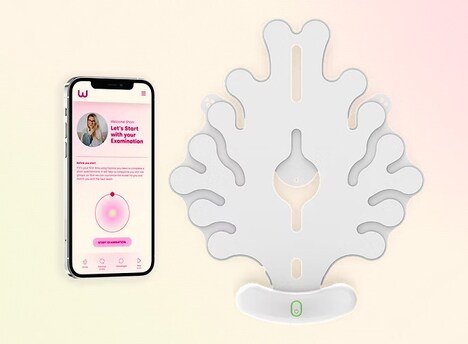
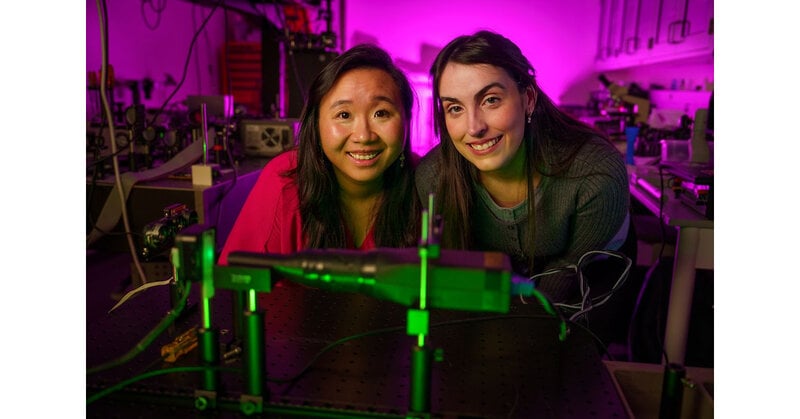
Portable preterm birth scanners could improve maternal healthcare as researchers at Florida International University develop PPRIM, a handheld device designed to identify early warning signs of premature labor. The system uses polarized light to examine cervical tissue, potentially detecting pregnancy risks up to three months earlier than existing screening methods.
PPRIM captures images in approximately five seconds, analyzing the arrangement of collagen fibers that support the cervix during pregnancy. Specialized software transforms these images into color-coded maps, distinguishing organized tissue from structural changes associated with increased risk. Researchers have reduced the technology from a bulky examination instrument into a portable device, with clinical trials being planned.
For healthcare providers, earlier risk identification could support timely medical interventions and more informed pregnancy monitoring. The technology also presents commercialization opportunities for PolarDoc, the startup developing PPRIM, although clinical validation and regulatory approval remain necessary.
Image Credit: Christopher Necuze/Florida International University
What's Driving This Trend
- Portable Prenatal Diagnostics
- Handheld imaging tools are shifting pregnancy risk assessment toward faster, point-of-care screening that can expand access beyond specialized clinical settings.
- Optical Tissue Biomarkers
- Polarized light analysis of cervical collagen highlights new possibilities for noninvasive biomarkers that reveal structural health changes earlier than conventional methods.
- Predictive Maternal Monitoring
- Earlier detection of preterm labor risk creates space for data-driven prenatal care models that personalize surveillance and intervention timing.
Who This Affects Most
- Maternal Healthcare
- Hospitals and clinics may see new value in compact diagnostic systems that support earlier risk stratification for pregnancy complications.
- Medical Devices
- Miniaturized optical scanners represent a commercialization pathway for diagnostic hardware that combines rapid imaging with software-based interpretation.
- Digital Health
- Color-coded tissue analytics and portable screening workflows connect maternal diagnostics with platforms for remote monitoring, clinical decision support, and longitudinal care tracking.