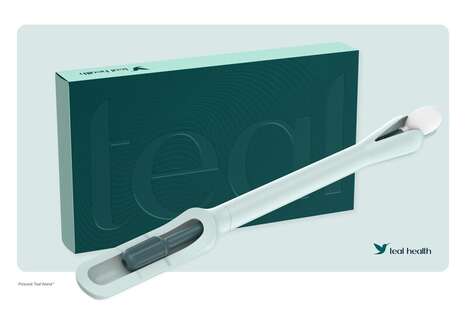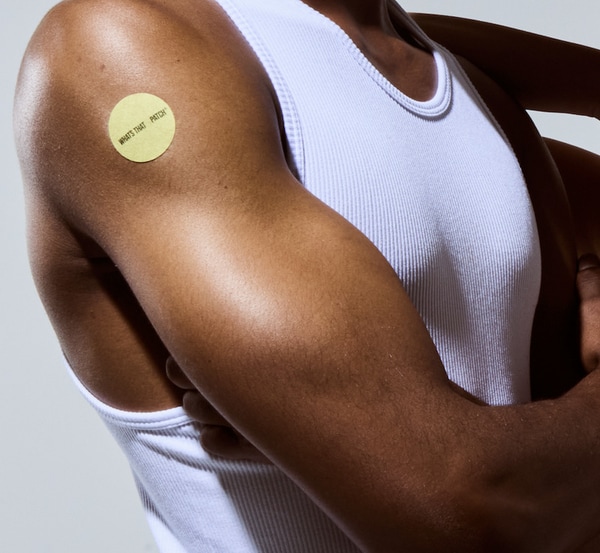
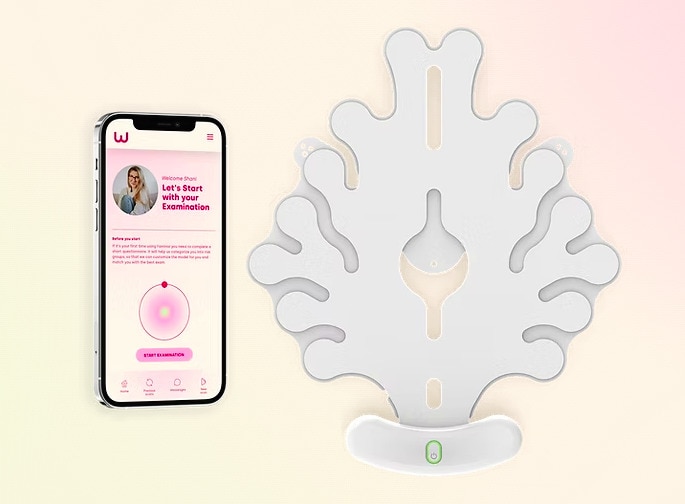
Feminai is developing a wearable device that uses sensors to track breast density and changes in blood flow, and combined with AI analysis, this technology is positioned to unlock at-home breast cancer screening.
With its first in-human clinical trial completed at Israel's Sheba Medical Center, Feminai reports that its technology achieved 96% sensitivity and 98% negative predictive value.
Feminai recently raised $6 million in seed funding in a round led by Vertex Ventures Israel with participation from ICI Fund, Fusion VC, Arben Ventures, Cactus Capital, and angel investor Mark Zitter. “This funding will allow us to strengthen our team and accelerate our path toward regulatory approval and market entry,” said Karny Ilan, MD, co-founder and CEO of Feminai. “Our goal is to make breast cancer screening more accurate, accessible, and affordable—ultimately improving outcomes for women’s health.”
What's Driving This Trend
- AI-enhanced Medical Diagnostics
- AI integration in wearable tech significantly boosts the accuracy of at-home medical diagnostics, revolutionizing patient accessibility to critical health insights.
- Personalized Health Monitoring
- Wearable devices that offer personalized health data analysis are setting a new standard for individualized medical care.
- Remote Healthcare Solutions
- The shift towards remote healthcare solutions is driven by technology that facilitates professional-grade screenings in non-clinical settings.
Who This Affects Most
- Health Technology
- Health technology is rapidly evolving with the adoption of AI to create innovative solutions for early disease detection.
- Wearable Technology
- Wearable technology is pushing the boundaries of traditional healthcare by enabling real-time health monitoring and early intervention.
- Venture Capital
- The venture capital industry plays a pivotal role in advancing ground-breaking health innovations through significant funding in startups like Feminai.