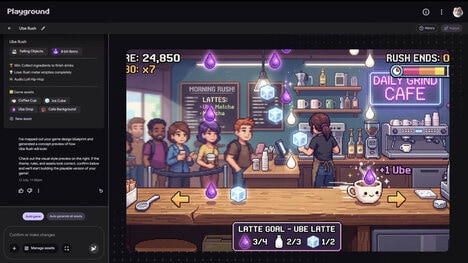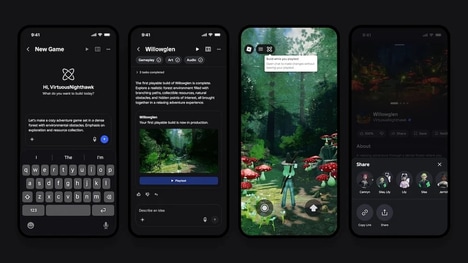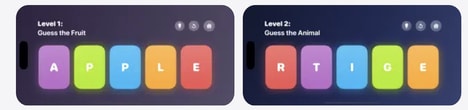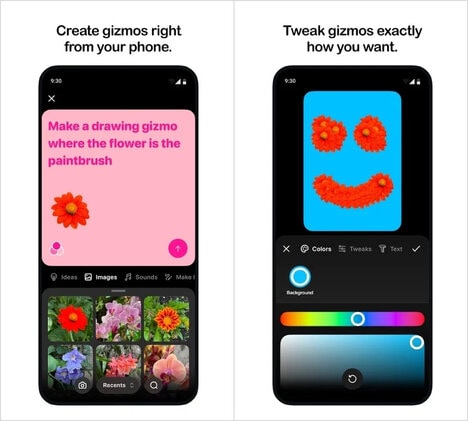
Matiks is expanding its brain-game app with 'Jelo,' an experimental creation layer that lets players build their own challenges and share them with others in the app. It shifts the service beyond short rounds of math, logic, memory and puzzle play into a space where users can publish new formats and compete.
The wider app has been live for two years, and its audience has grown quickly this year. Daily use rose from 22,000 earlier in the year to more than 300,000 by September. Monthly active users reached 2.2 million that month, with most players in India and additional traction in the U.S., South Korea and Japan.
A $10 million pre-Series A round gives Matiks room to scale Jelo and its push into new markets. Player-made brain games turn content growth into a co-creation model, which can keep quick-session users engaged without relying solely on Matiks to supply every new challenge.
Image Credit: Matiks
What Makes This Trend Stand Out
- User-generated Brain Games
- Player-created puzzle formats open new paths for scalable content libraries that refresh continuously without relying on in-house production alone.
- Social Cognitive Play
- Shared challenges and competitive loops are reshaping brain-training apps into community-driven entertainment platforms with stronger retention potential.
- Micro-session Game Creation
- Short-form gameplay combined with lightweight creation tools introduces new monetization and engagement models for casual learning environments.
Sectors Adopting This
- Mobile Gaming
- Casual game platforms can use co-creation features to extend replay value and build differentiated communities around user-made content.
- Edtech
- Brain-training tools with publishing layers blur the line between learning, play and peer-generated curriculum in global digital education markets.
- Digital Wellness
- Cognitive fitness apps are evolving toward participatory ecosystems where mental exercise is personalized through community-built challenges.