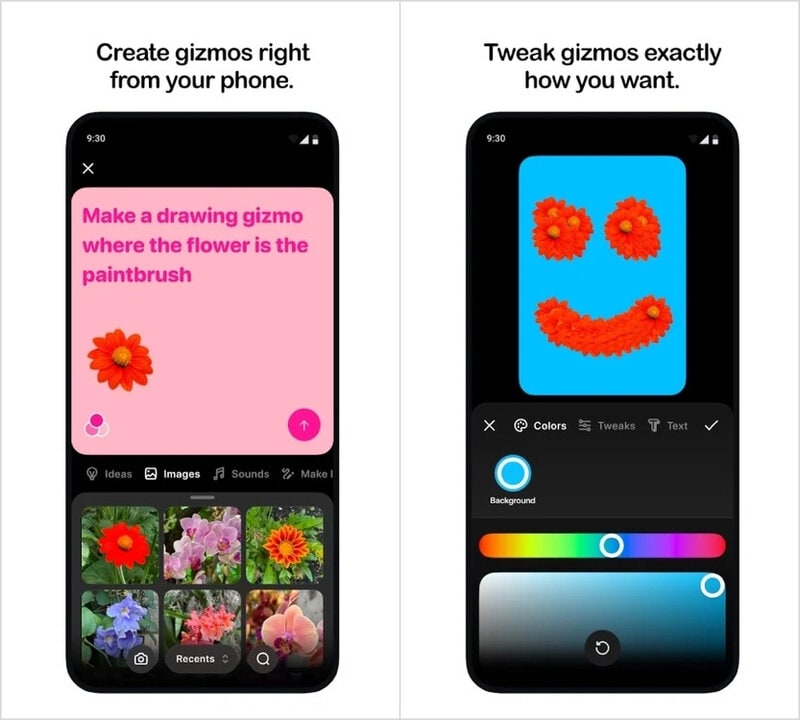
Pocket is an AI-powered interactive gaming app that turns text prompts into short playable experiences without requiring users to write code or use a conventional game engine. Creations, called “gizmos,” can respond to taps, swipes, phone movement, sound, photographs, and camera input. Users can save, share, repost, and remix individual experiences, while a social feed lets people browse and immediately play creations made by others. Quizzes, challenges, and interactive posts can be built from simple descriptions and modified through additional prompts.
The app's generative features are powered by the Muse Spark model, developed following Meta's acquisition of the team behind Gizmo, an AI-generated interactive experience platform. Pocket first appeared on the App Store and Google Play in late June after an earlier test in Brazil, before expanding to users in the United States. The platform operates as a standalone application alongside Meta's other experimental products, including Forum, Instants, Seller, and Vibes.
Image Credit: Daniel Constante
Key Themes Behind This Trend
- Prompt-based Play
- Text-to-game creation lowers technical barriers for casual users, opening space for entertainment platforms built around instant, personalized interactive content.
- Remixable Social Games
- Shareable and editable mini-experiences create new network effects where play, creation, and social discovery blend into a continuous engagement loop.
- Sensor-driven Micro-experiences
- Mobile inputs like camera, motion, sound, and touch enable lightweight games that feel more immersive without requiring traditional development pipelines.
Where This Applies
- Mobile Gaming
- Generative tools are reshaping app-based gaming by making rapid content creation accessible to non-developers and expanding the supply of playable experiences.
- Social Media
- Interactive posts and remixable creations introduce formats that move feeds beyond passive viewing toward participatory entertainment ecosystems.
- Artificial Intelligence
- AI models capable of converting prompts into functional experiences point to emerging platforms where creativity, automation, and user-generated software converge.