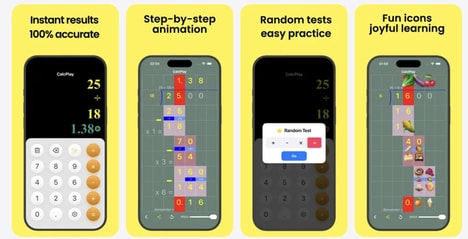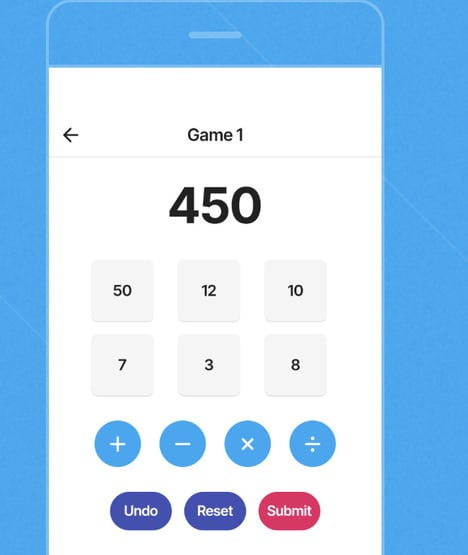
I Hate Math is a timed digital competition built around rapid problem solving and elimination-based gameplay. Participants answer sequential math questions under time pressure, with a single incorrect response ending the session. Performance is measured by volume and accuracy, feeding into a global leaderboard that resets monthly.
Top-ranking participants qualify for prizes, creating recurring incentives and sustained engagement. From a business perspective, the contest model highlights effective use of gamification to drive repeat participation, skill benchmarking, and measurable performance outcomes. The structure favors short, high-intensity sessions, lowering participation friction while supporting scalable competition. It also demonstrates how educational content can be reframed as entertainment without formal instruction. Overall, the platform illustrates how competitive mechanics, clear rules, and periodic rewards can be combined to maintain user interest and create ongoing interaction
Image Credit: I Hate Math
What Makes This Trend Stand Out
- Gamified Learning Platforms
- Platforms that integrate gaming mechanics with educational content turn learning into a fun and engaging experience, drawing in users who might otherwise be disinterested in traditional formats.
- Digital Leaderboards
- Global digital leaderboards foster a sense of competition and achievement among users, motivating them to improve their skills and monitor their progress over time.
- Timed Problem-solving Games
- Timed challenges push participants to quickly process information and make decisions, offering dynamic and fast-paced interactions that can enhance cognitive agility and engagement.
Sectors Adopting This
- Educational Technology
- EdTech companies can leverage gamification to create more accessible and appealing learning experiences, particularly in areas like mathematics where traditional methods can be intimidating.
- Online Gaming
- The intersection of gaming and education provides a novel avenue for online gaming companies to expand their offerings into the educational sector, blending entertainment with skill development.
- Corporate Training
- Incorporating gamified, timed competition aspects into corporate training programs can enhance employee engagement and skill enhancement, fostering a more competitive and motivated workforce.