Plastics are everywhere in our daily lives. The problem is that when plastic products break, we generally have two choices. One is to throw it out, which is not the best solution, because most plastics take forever to breakdown in the environment. The second is to try and glue it together; gluing is never a fun prospect, and not all plastics can be glued effectively.
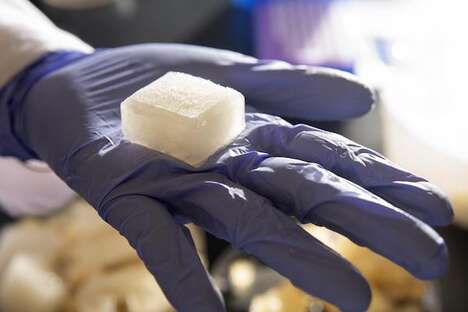
Researchers at the University of Illinois have bypassed the problem altogether by creating a self-healing plastic. The amazing thing is that it is made from off-the-shelf materials. In addition, while other self-healing polymers require adjuncts like UV light or other catalysts in the healing process, this material just requires that the two halves of the part get put back together again. Within 24 hours, the part is as good as new!
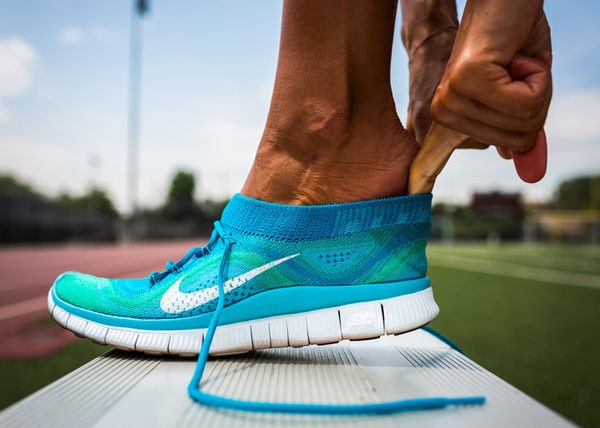
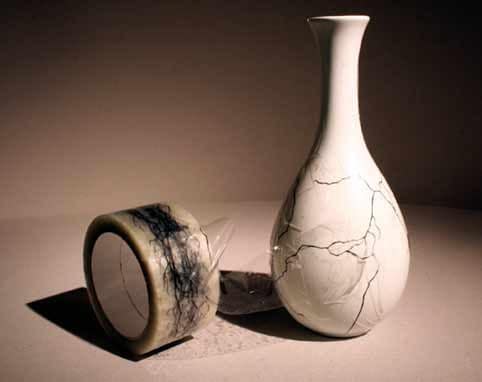
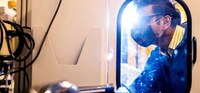
(All photos are from The University of Illinois Video)
Why This Trend Is Growing
- Self-healing Materials
- The trend towards self-healing materials in manufacturing has the potential to minimize high maintenance and repair costs.
- Sustainable Plastics
- The trend towards sustainable plastics development and usage is driving innovation towards low-waste, cost-effective, and eco-friendly plastic products.
- Smart Materials
- The trend towards smart materials that respond to external stimuli is leading to the development of new, multi-functional products that self-adjust and adapt to changing environmental conditions.
Industries Being Reshaped
- Manufacturing
- Manufacturing industries can benefit from integrating self-healing materials into their processes to improve product reliability and reduce production downtime.
- Packaging
- The packaging industry can leverage the development of self-healing plastics to create eco-friendly, reusable, and long-lasting packaging solutions that reduce waste and end-of-life disposal costs.
- Construction
- The construction industry can use self-healing materials to develop durable, long-lasting infrastructure solutions that minimize maintenance and repair costs over their lifetime.