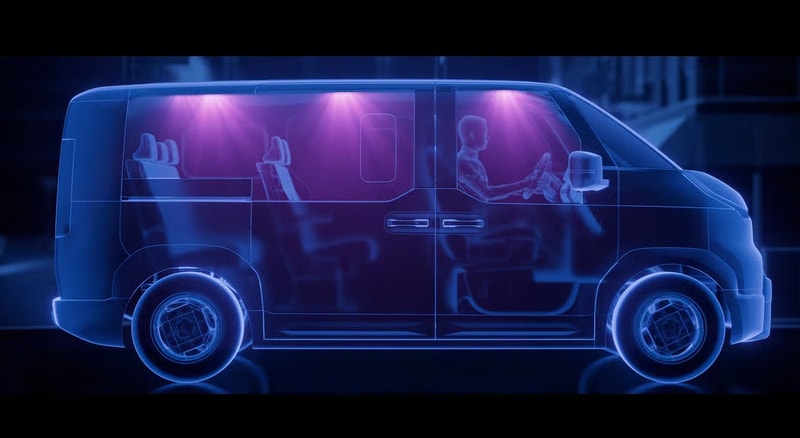
Hyundai and Kia introduced Plasma Care UVC, a far-ultraviolet C (Far-UVC) sanitation system for vehicle cabins featuring a compact plasma lamp and an optical filter that limits emissions to the 200–230 nm range. The system is designed to operate while occupants are present, targeting airborne microbes that cause odors by using light that does not penetrate human skin.
Engineers adapted Far-UVC technology used in hospitals and schools by reducing its size and power consumption for automotive applications, while adding a specialized optical filter for enhanced safety. Validation testing in simulated cabins and real vehicles with partners including Seoul National University and the Korea Testing Laboratory demonstrated significant reductions in bacteria and viruses under controlled conditions.
For consumers, Plasma Care UVC offers fresher-smelling interiors and continuous microbial reduction as a complement to routine vehicle cleaning rather than a replacement for it.
Image Credit: Hyundai
What Makes This Trend Stand Out
- Occupant-safe Sanitization
- Far-UVC cabin systems create opportunities for continuous hygiene features that function while people are present, expanding wellness expectations inside everyday mobility environments.
- Automotive Health Tech
- The adaptation of hospital-grade sanitation into compact vehicle hardware signals a market for cars that incorporate preventative health, air-quality, and odor-control technologies.
- Embedded Microbial Control
- Integrated microbial reduction systems may redefine vehicle maintenance by shifting cleanliness from periodic manual cleaning to automated, always-on environmental management.
Sectors Adopting This
- Automotive
- Vehicle manufacturers can differentiate interiors through built-in hygiene and comfort systems that position cabins as safer, fresher, and more intelligent personal spaces.
- Mobility Services
- Ride-hailing, car-sharing, and fleet operators may benefit from sanitation technologies that improve passenger confidence and reduce perceived cleanliness risks between users.
- Healthcare Technology
- Medical sanitation innovations translated into consumer transportation suggest cross-sector growth for miniaturized, low-power disinfection platforms beyond clinical settings.