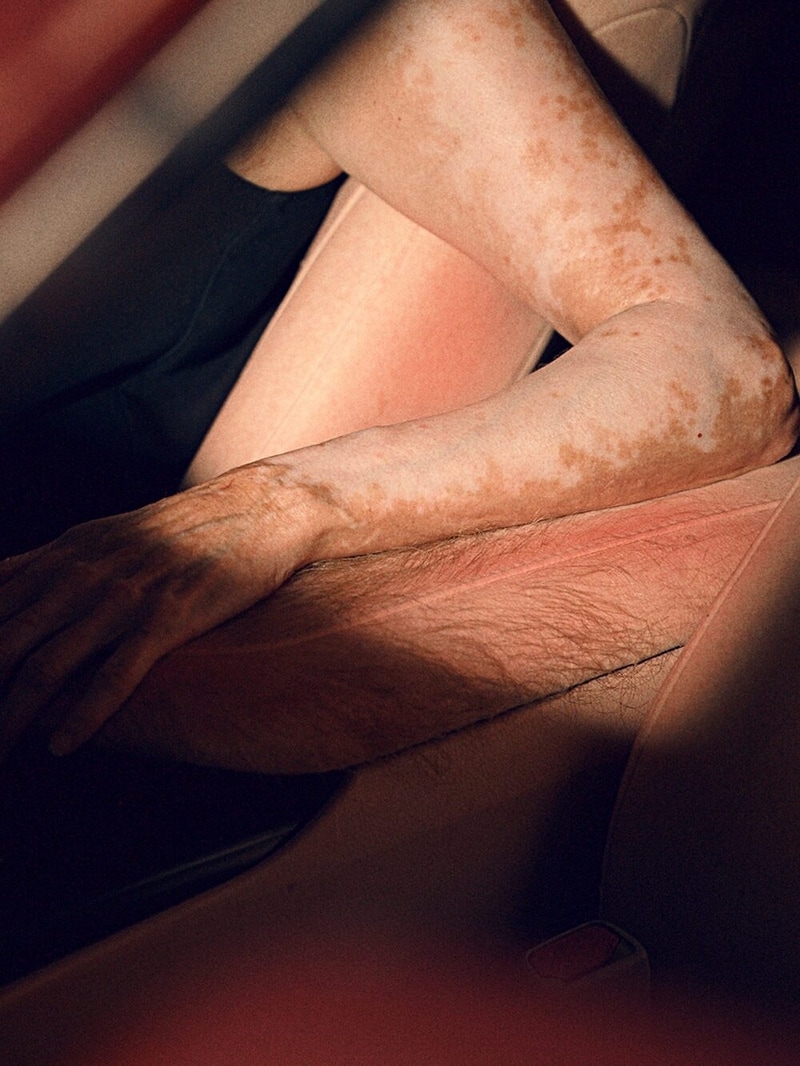
Sunburnt Car by TBWA\Eleven is a public awareness installation developed with mycar Tyre & Auto, transforming a vehicle interior into a hyperreal surface of synthetic human skin. The car was reupholstered with prosthetic material featuring individually applied freckles, moles, and hair, designed to visibly react to ultraviolet exposure. As the installation is exposed to sunlight, the surface burns and changes, simulating cumulative skin damage that typically occurs invisibly over time.
The project was created in collaboration with Odd Studio, using prosthetic techniques guided by medical research on UV impact. Displayed at Circular Quay in Sydney, the installation translates scientific data into a physical demonstration of risk inside everyday environments. Research behind the campaign showed many drivers underestimate UV exposure in cars, despite glass allowing certain rays to penetrate and affect deeper layers of skin.
Image Credit: Crafting Plastics
Key Themes Behind This Trend
- Hyperreal Public Awareness
- The use of hyperreal installations that translate invisible health risks into visceral visual experiences creates new avenues for experiential risk communication and behavioral influence.
- Biofidelic Materials
- Prosthetic-grade surfaces that mimic human skin and respond visibly to environmental stimuli enable tangible demonstrations of cumulative exposure and materialized health data.
- Data-driven Experiential Design
- Integrating scientific research and sensor-derived exposure profiles into physical exhibits allows personalized, evidence-based storytelling that bridges science and everyday environments.
Where This Applies
- Automotive Interiors
- Car cabin design informed by UV-transmission data and reactive materials could redefine passenger safety features by making long-term exposure hazards legible within vehicles.
- Public Health Campaigns
- Campaigns leveraging tactile, research-backed installations offer a more compelling method for communicating chronic risk and shifting public perception of commonplace exposures.
- Materials and Prosthetics
- Advances in lifelike prosthetic materials that visibly change under environmental conditions open possibilities for responsive protective textiles and demonstration products.