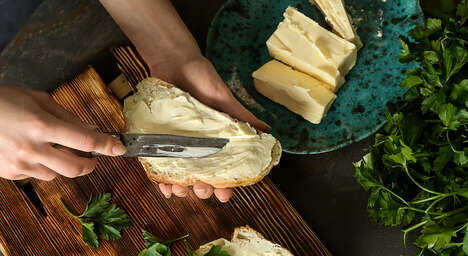


Aquafaba, the brine that remains after cooking chickpeas, has been successfully used as a substitute for eggs in a variety of vegan products such as meringues and mayonnaise—now, Fora Foods is experimenting with this unique ingredient for the creation of a plant-based butter.
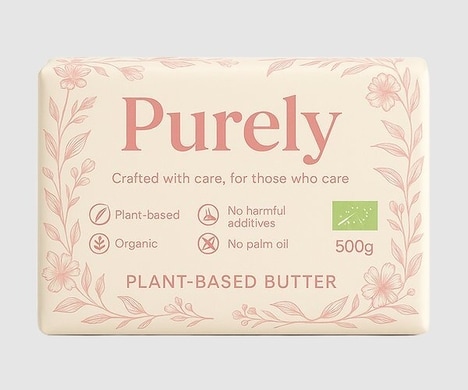
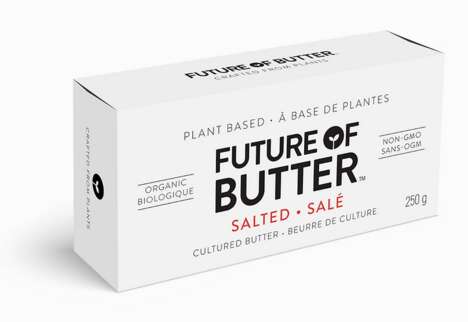
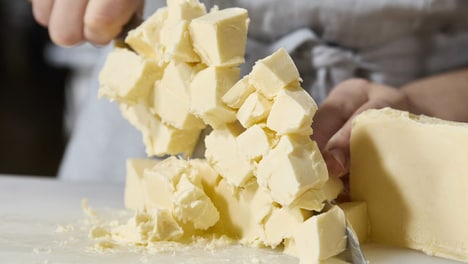
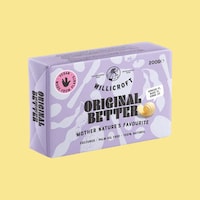
While there are now several vegan butter products on the market, due to a heightened demand for healthier dairy-free options, many plant-based spreads are made with soy and palm oil. 'Faba Butter' is made with aquafaba, water, coconut oil and liquid oil, which are combined to create what Fora Foods' Aidan Altman describes as a "really creamy, dairy-like mouthful."
The aquafaba used in the Faba Butter from Fora Foods is sourced from hummus producers who have no other use for the brine and would ordinarily let it go to waste.
Why This Trend Is Growing
- Plant-based Butter
- The creation of vegan butter made with alternative ingredients presents an opportunity for disruptive innovation in the dairy-free market.
- Aquafaba
- Exploring the usage of aquafaba as a substitute ingredient opens up avenues for disruptive innovation in vegan food products.
- Sustainable Sourcing
- The practice of sourcing aquafaba from hummus producers to reduce waste offers opportunities for disruptive innovation in sustainable food production.
Industries Being Reshaped
- Plant-based Food Industry
- The plant-based food industry has room for disruptive innovation with the introduction of new alternatives to dairy products like butter.
- Vegan Food Industry
- The vegan food industry can benefit from disruptive innovation by exploring new ingredients, such as aquafaba, to create innovative and appealing products.
- Sustainable Food Industry
- The sustainable food industry can seize the opportunity for disruptive innovation by finding creative ways to repurpose food byproducts, like aquafaba, to create sustainable food products.