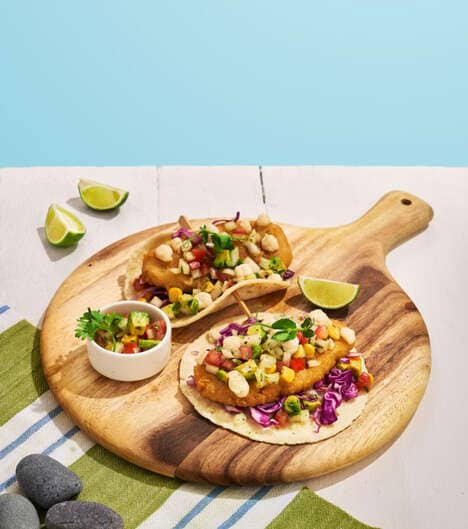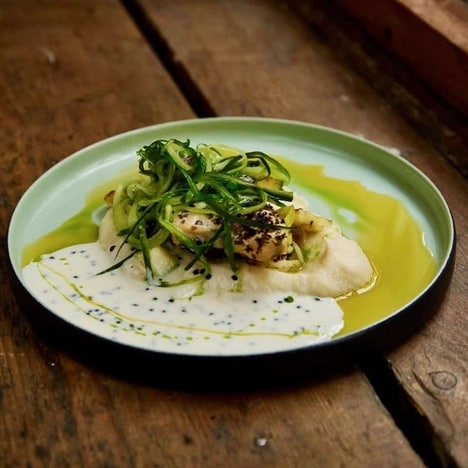

'Loki Foods,' an Icelandic alternative foods startup, unveiled its plant-based Atlantic cod fillet as a sustainable alternative to mass fishing. According to Loki Foods, the plant-based fillet is accurate in its texture and flavor when compared to the real version. On top of this, the plant-based nature of the food results in a far more sustainable manufacturing process.
One of the largest draws of this plant-based fillet, though, is its value as a better-for-you alternative. The plant-based fillet is protein-rich, vitamin-filled, and contains a number of essential nutrients. Additionally, Loki Foods draws attention to the toxins, microplastics, and metal remnants that are often found in real seafood, championing that its plant-based alternative is healthier in this regard.
To date, Loki Foods has raised over $650,000 USD to develop, and subsequently scale, its plant-based seafood alternatives.
Image Credit: Loki Foods
What's Driving This Trend
- Plant-based Seafood Alternatives
- As consumer demand for environmentally sustainable products increases, companies can capitalize on developing alternative seafood products made from plants.
- Sustainable Manufacturing Processes
- Developing plant-based alternatives to traditionally fished seafood products presents an opportunity for manufacturers to reduce their environmental impact and adopt more sustainable practices.
- Better-for-you Foods
- Plant-based seafood alternatives offer consumers a healthier alternative to traditionally fished seafood, free from toxins, microplastics, and metal remnants that pose health risks as well as ethical and environmental concerns.
Who This Affects Most
- Alternative Foods
- Alternative food startups like Loki Foods are disrupting the traditional fishing industry by presenting plant-based seafood alternatives that offer consumers ethical and sustainable options while maintaining the nutrients and flavor profile of the real versions.
- Food Manufacturing
- Food manufacturers have an opportunity to reduce their environmental impact and cater to the growing demand for plant-based alternatives by investing in developing and scaling sustainable seafood alternatives that are better for consumers and the planet.
- Health and Wellness
- The development of plant-based seafood alternatives that are free from toxins, microplastics, and other harmful contaminants presents an opportunity for companies to tap into the growing health and wellness market segment.