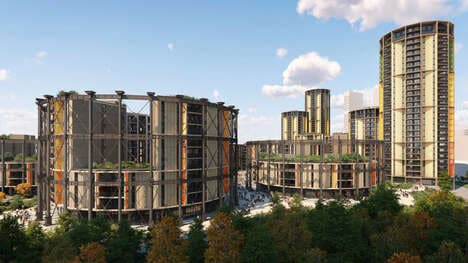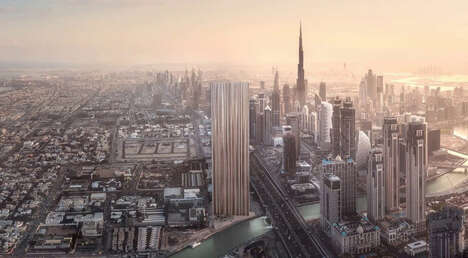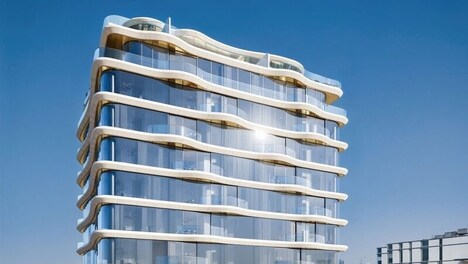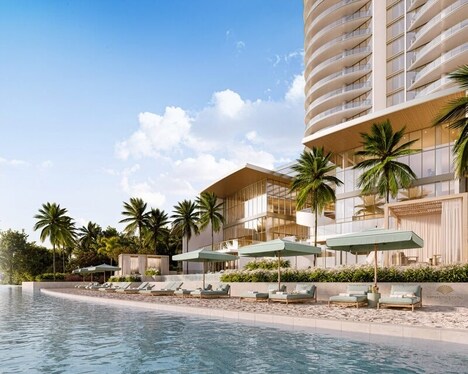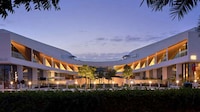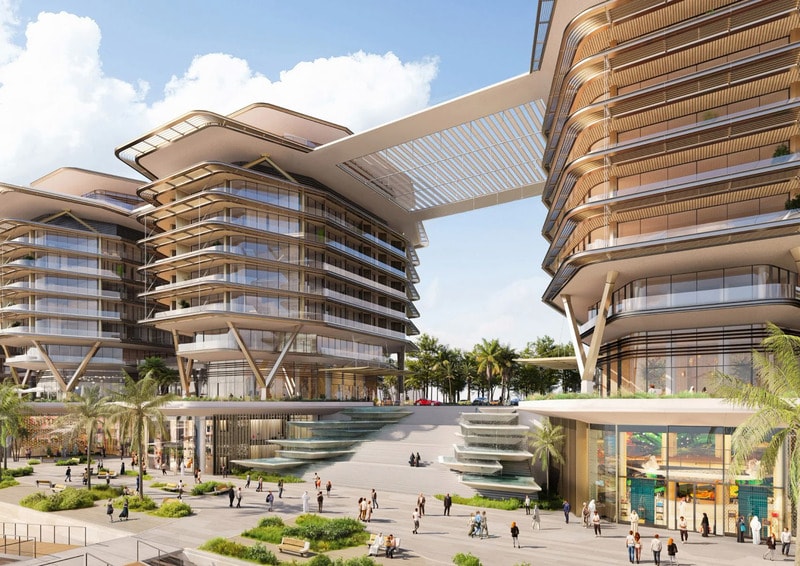
British design firm RSHP presents its official plans for Peninsula Dubai, which result in a group of interconnected buildings. There are ten volumes in total, and it features a hotel and residences that overlook the water in Jumeirah.
The plans are set to be developed by H&H Development, uniting the structures by angular forms and coated in screens and louvres. The design director, Richard Paul speaks on the design concept, noting "This project is a celebration of Dubai's bold vision and connection to its waterfront heritage. Our goal was to design a dynamic and sustainable development where residents and visitors alike can thrive in harmony with the city's natural beauty and views across the marina."
Image Credit: RSHP
What's Driving This Trend
- Interconnected Architectural Design
- The trend of integrating interconnected structures in urban design presents opportunities for more cohesive and visually striking urban landscapes.
- Sustainable Development
- An increasing focus on sustainable development creates opportunities for innovation in eco-friendly construction materials and methods that align with environmental goals.
- Waterfront Living
- There is a growing interest in waterfront living spaces, offering new possibilities for creating luxurious and nature-integrated residential experiences.
Who This Affects Most
- Urban Architecture
- The urban architecture industry is evolving to incorporate more dynamic and interconnected designs, enhancing cityscapes with innovative building concepts.
- Sustainable Construction
- As sustainability becomes a core focus, the construction industry is positioned for breakthroughs in developing new technologies that reduce ecological footprints.
- Real Estate Development
- The real estate development sector is poised to capitalize on the demand for unique waterfront properties, combining luxury and environmental consciousness in design.